

The most common complaint about AI agents in business? 'The output isn't what I wanted.' In a corporate landscape, consistency is everything—without pre-defined formats, users get lost. Instead of just teaching everyone to prompt better, why not embed that expertise into the organization itself? By providing standardized prompts upfront, users get perfect results from day one. The secret to this is 'Agent skills' (1). Let’s see how it works!
1. What are Agent Skills?
Announced as "skills" by the AI giant Anthropic in October 2025, Agent Skills have since been adopted by almost every major AI company. They have become the de facto standard for providing domain-specific knowledge to generative AI. According to Anthropic:
“Agent Skills are modular capabilities that extend Claude's functionality. Each Skill packages instructions, metadata, and optional resources (scripts, templates) that Claude uses automatically when relevant.”
The beauty of defined Agent Skills is their portability—once created, they can be used across different platforms.
2. Creating Agent Skills
Now, let's dive right in. I’m going to create an 'Agent Skill' using Claude Cowork. I uploaded the PRD (Product Requirements Document) I typically use for building prediction models and input the following prompt.
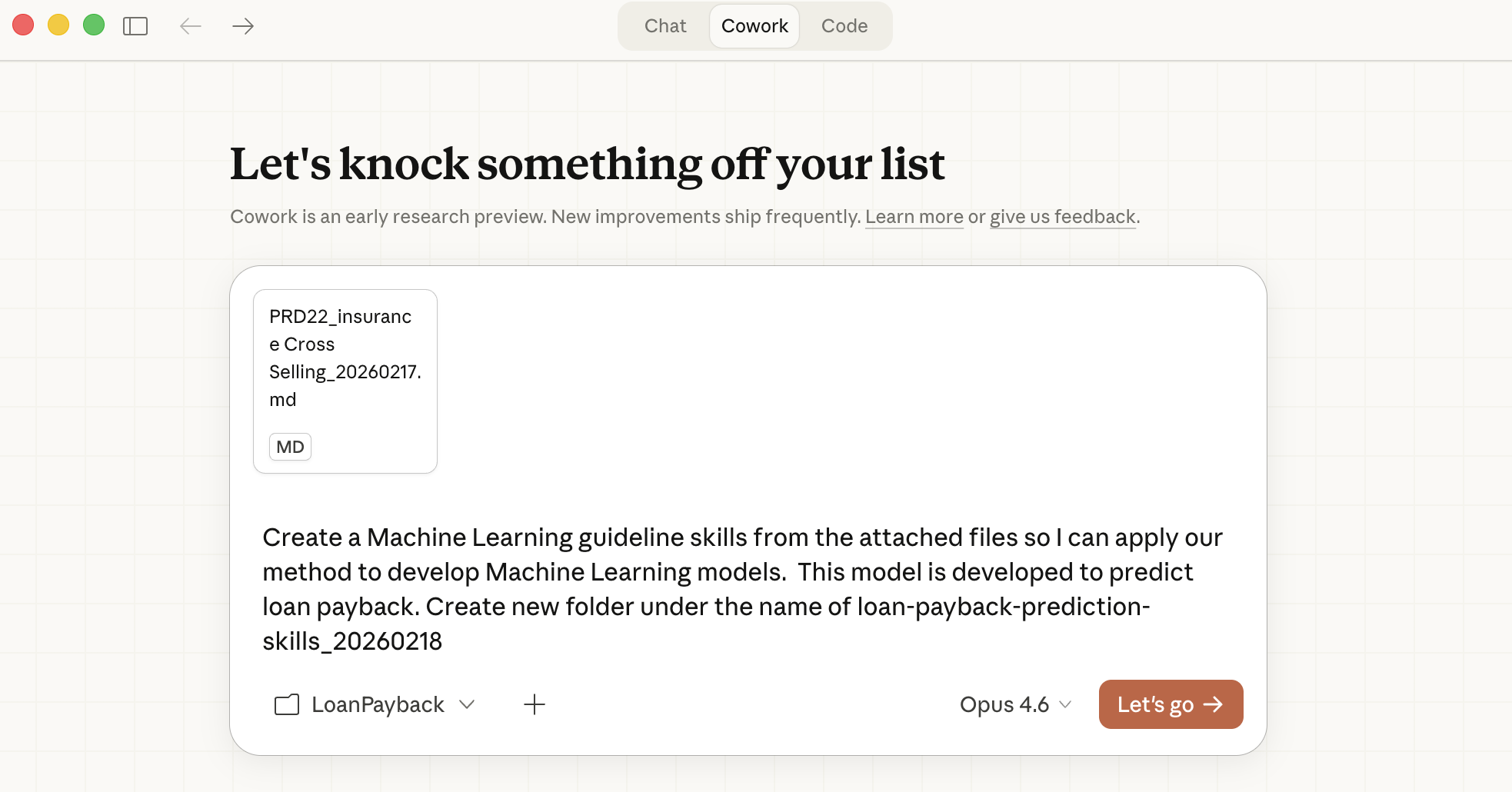
Claude Cowork
Since Claude Cowork has a built-in skill creator, it automatically generates an Agent Skills folder containing a skill.md file. This skill.md stores the most fundamental information for the Agent Skill, and its header always includes the following content. AI agents like Claude Code are designed to read this section first.
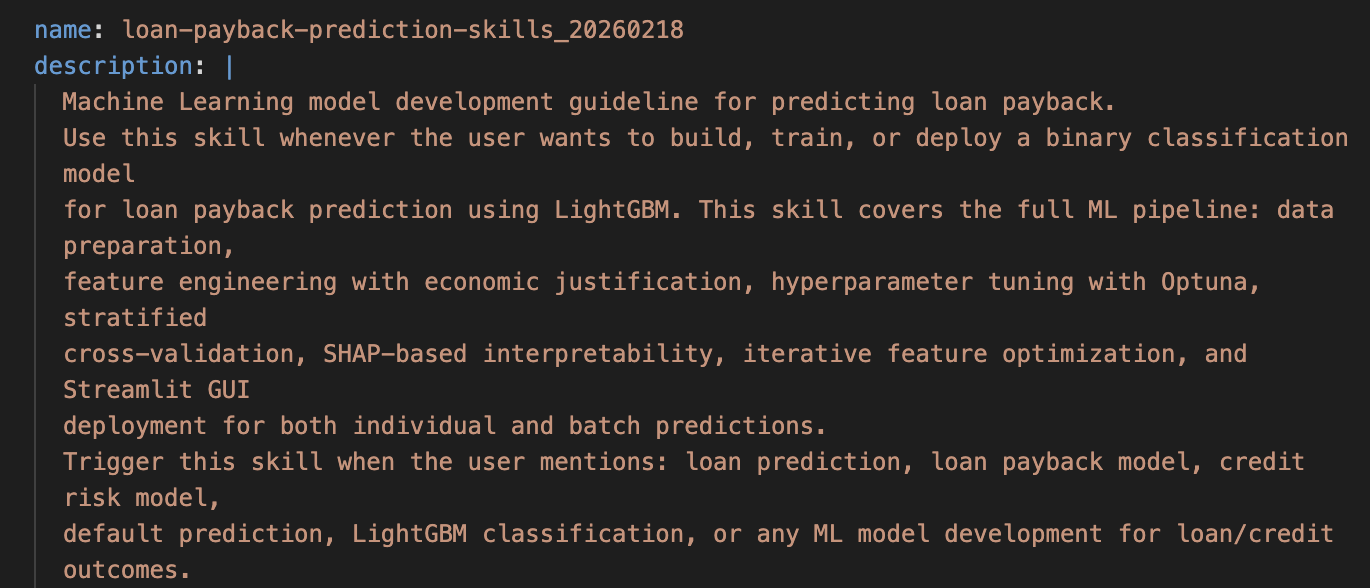
skill.md 1
For tasks related to predictive modeling, the agent reads the specific implementation logic defined in the skill (which, in this case, spans about 240 lines) before moving to the coding phase.
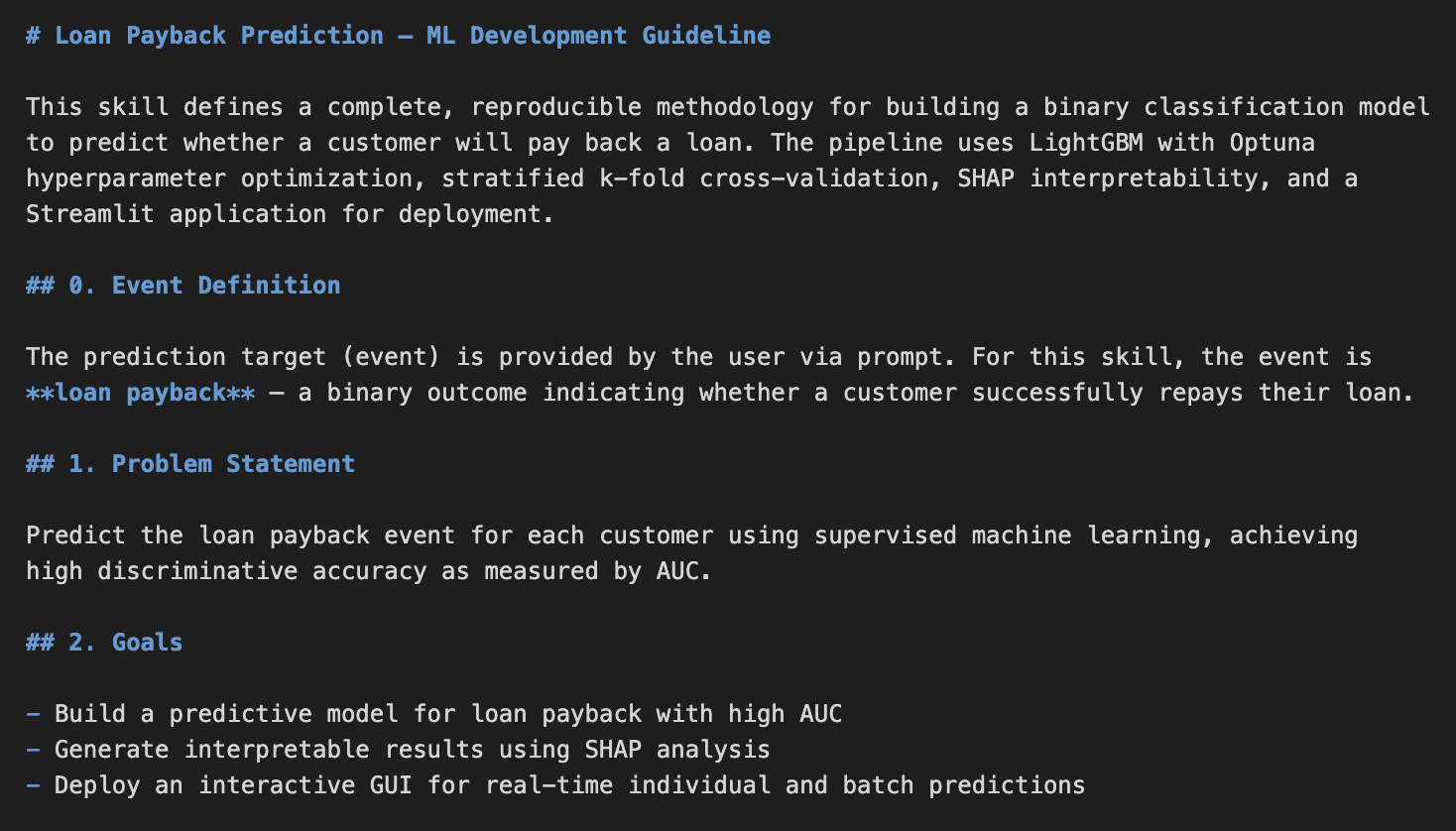
skill.md 2
3. Building a Prediction Model via Agent Skills
Next, I utilized Claude Code for agentic coding. As shown below, the "skills" we just created are active and recognized by the environment.
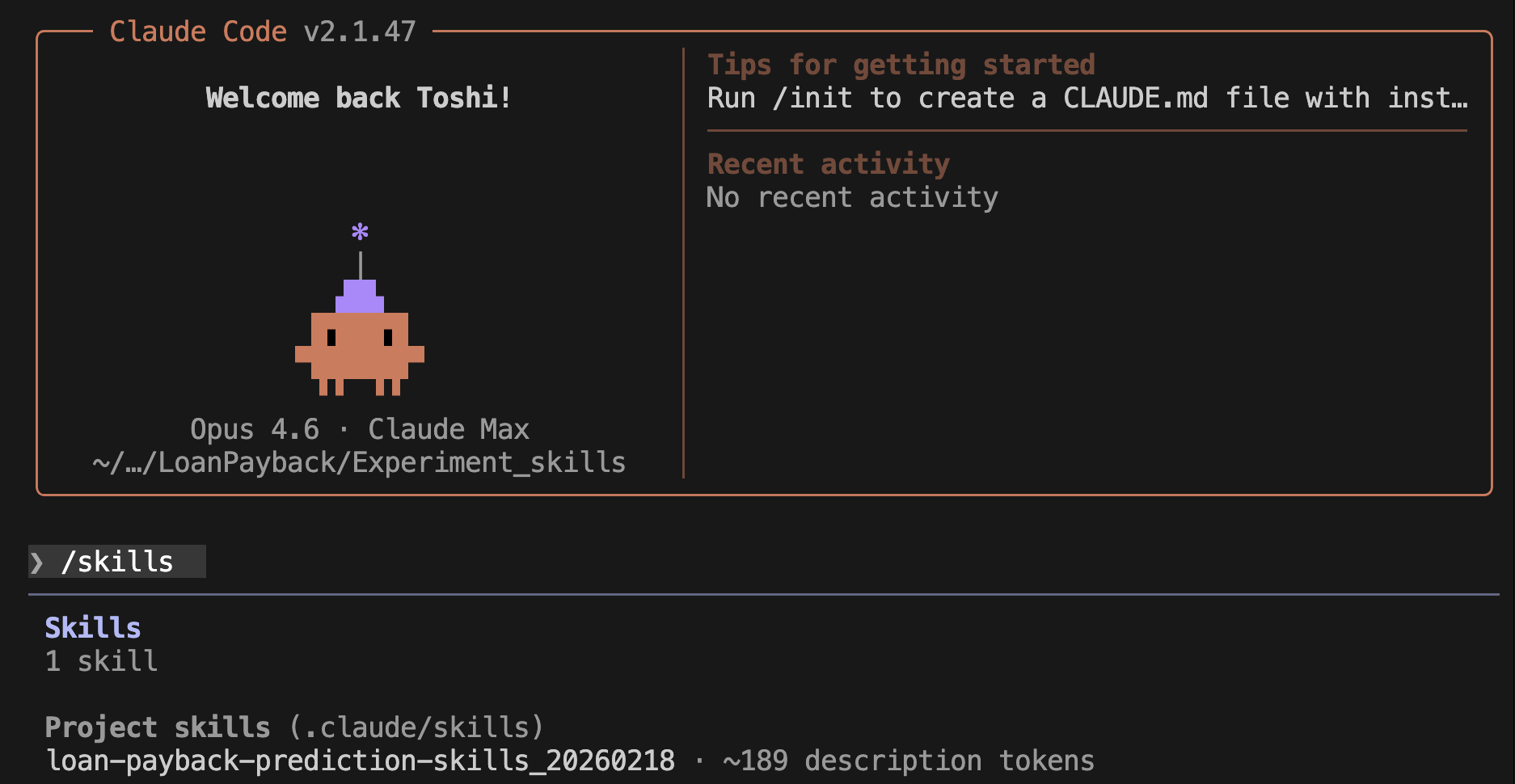
Claude Code
Because the detailed modeling process is already governed by the Agent Skill, my manual prompt can be as simple as: "Please create a prediction model." For this project, I used data from the Kaggle "Predicting Loan Payback" competition (2), where the goal is to predict whether a borrower will repay their loan. The entire implementation was completed in about two hours with almost no manual corrections. The stability of Opus 4.6 (3) is truly remarkable!
The model achieved an AUC of 0.92435 on the Kaggle leaderboard—a score that is well within the range of practical, production-ready application.
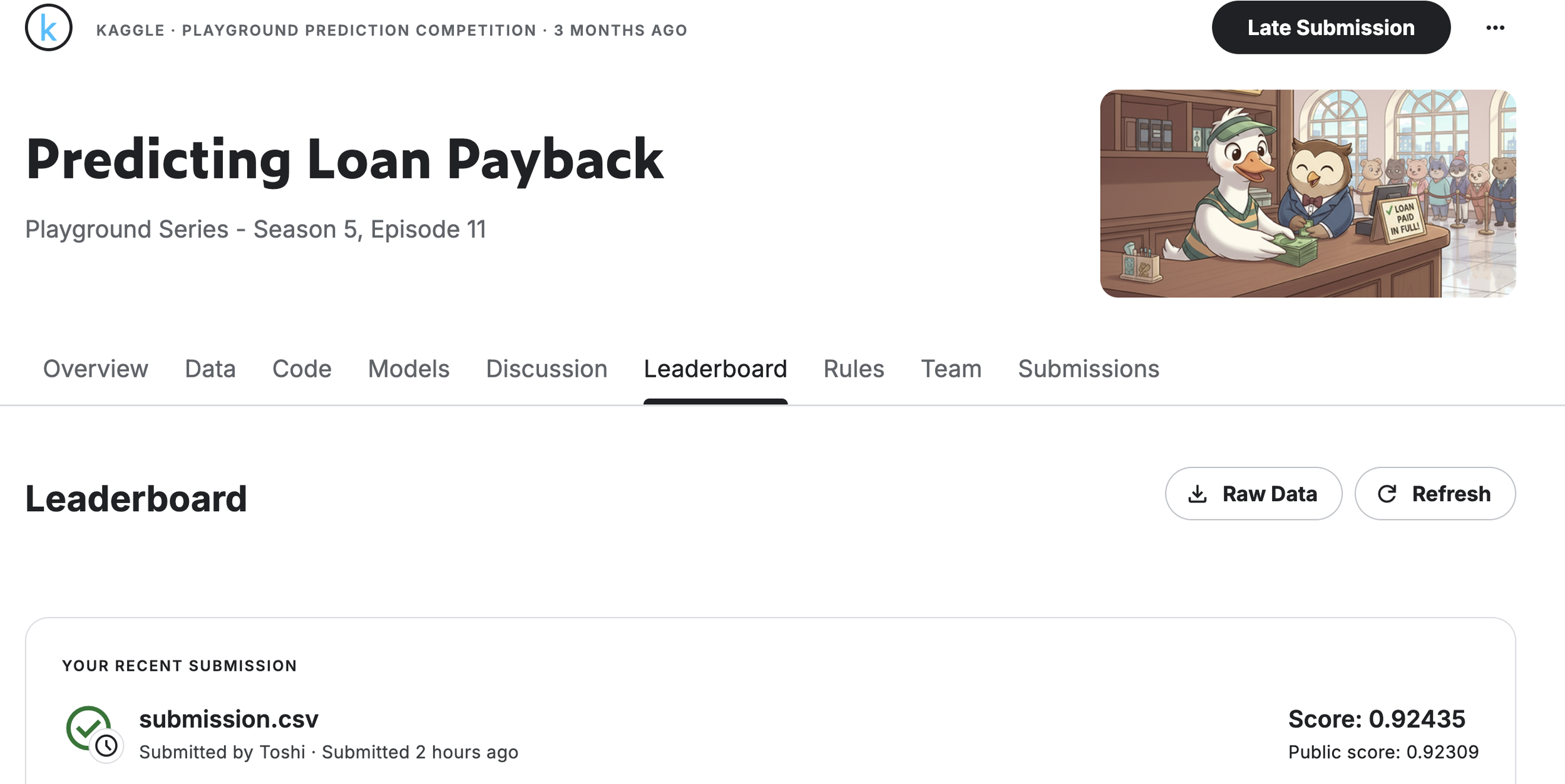
Kaggle leaderboard
One secret behind this high accuracy was the creation of new features based on ratios. By analyzing feature importance, we ensured only the most impactful variables were included in the final model.
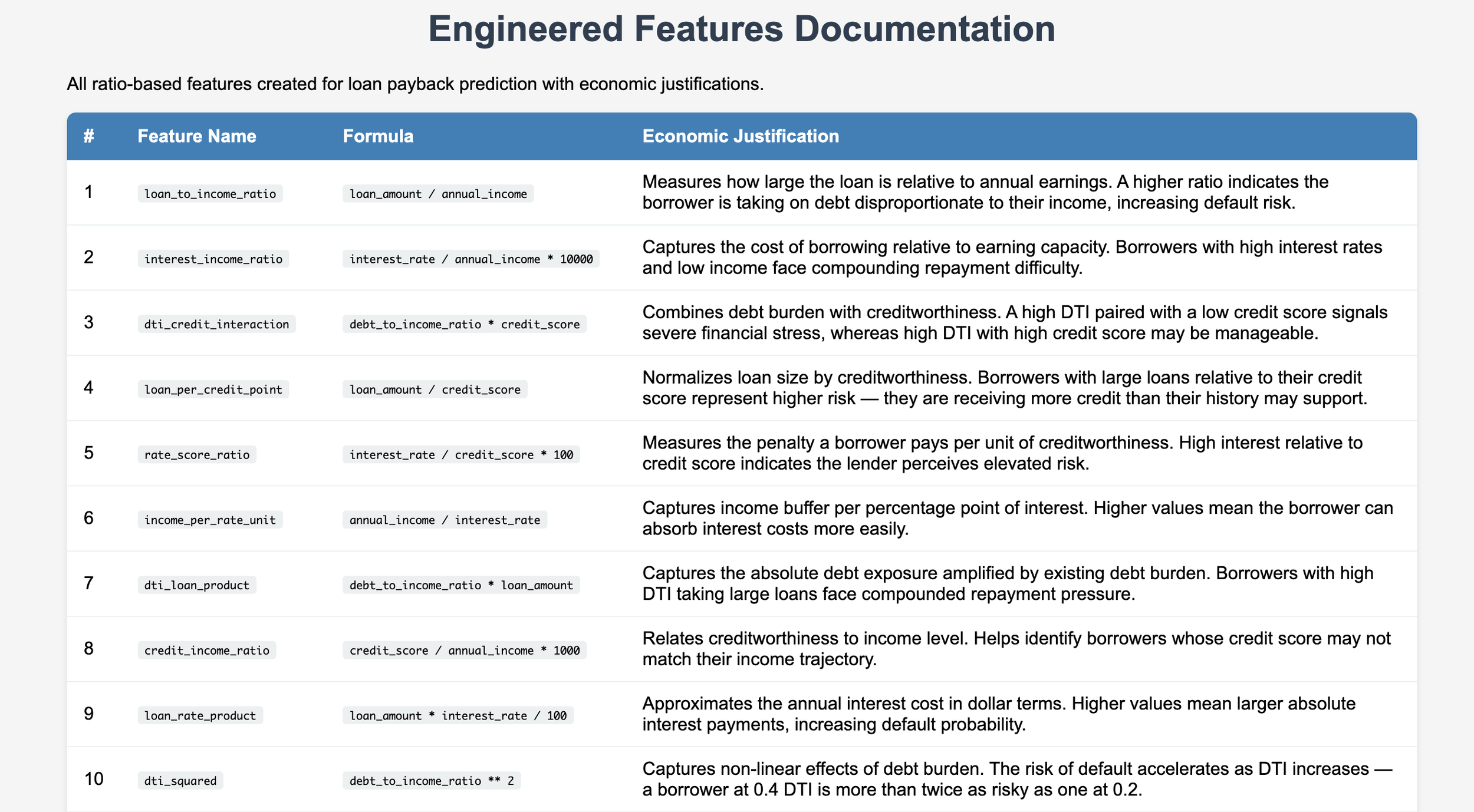
new features based on ratios
4. Testing the Resulting Model
Let’s look at the model built via Agent Skills in action. First, we calculate the probability of repayment for an individual customer. In this example, the probability exceeds 96%, resulting in a "Success" (likely to repay) classification based on a 50% threshold. This threshold is, of course, adjustable depending on the specific business objectives.
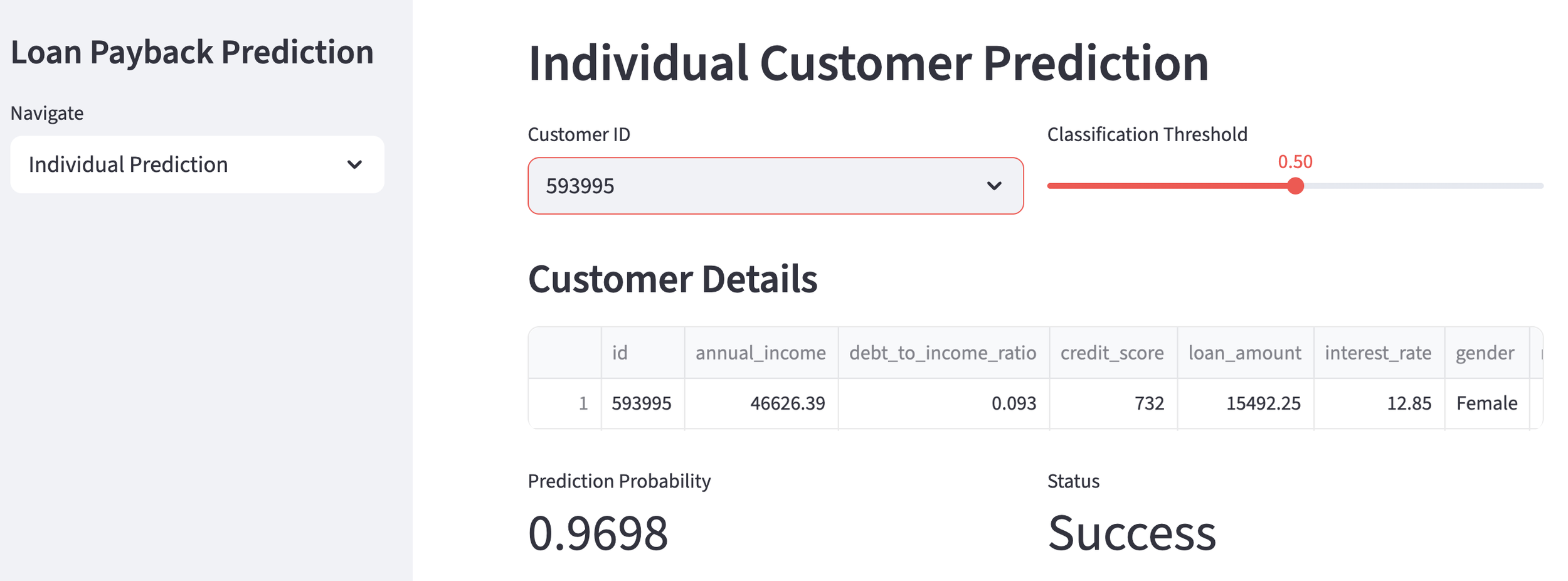
prediction for an individual customer
To avoid the "black box" problem, I use SHAP analysis to explain why a customer received a specific score. As seen in the graph, the length of the red arrows indicates the contribution of each feature. Here, employment_status was the most significant factor driving the "Success" prediction. This transparency is crucial for corporate accountability.
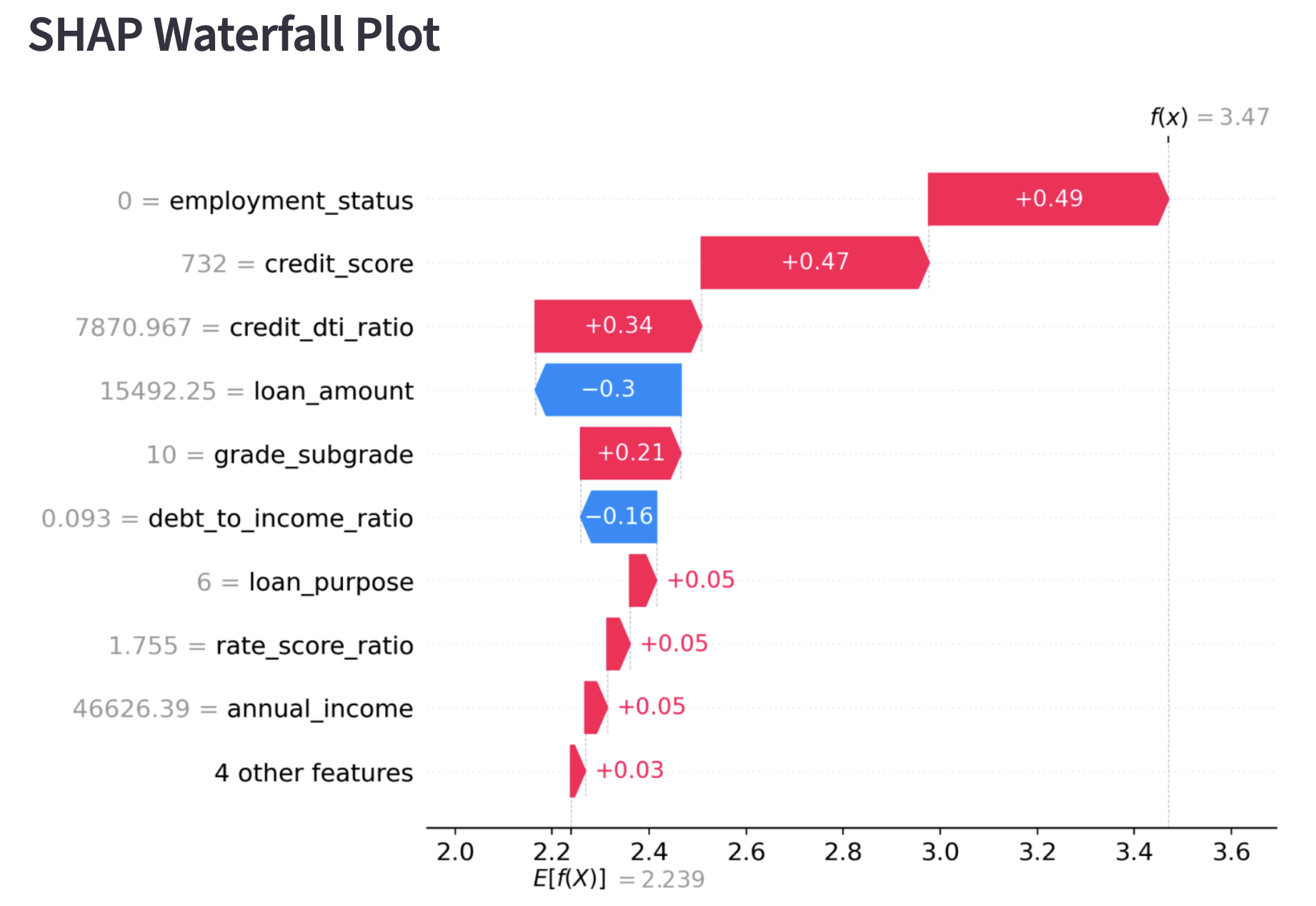
SHAP analysis for a customer
We can also apply SHAP to the entire dataset. Again, employment_status emerges as the top contributor across all customers. We can see that this feature also carries a high degree of contribution across the entire customer base.
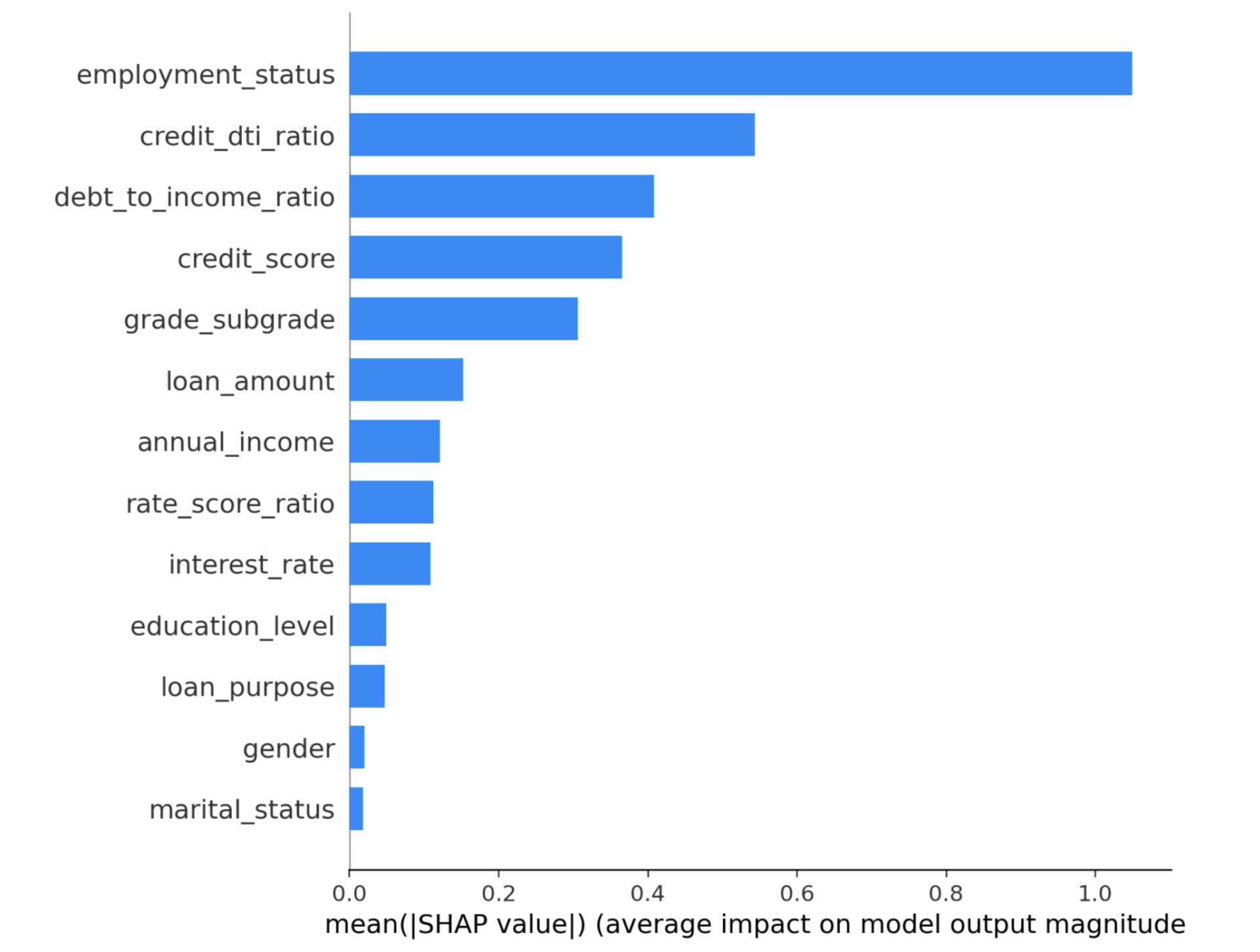
SHAP analysis for all customers
Furthermore, SHAP allows us to visualize the non-linear relationship between specific features and repayment probability. For example, with credit_score, the probability doesn't just rise linearly. The data shows that the probability remains flat until a score of 550, starts to rise at 600, and accelerates significantly after 700. This level of granular insight is what makes SHAP so valuable.
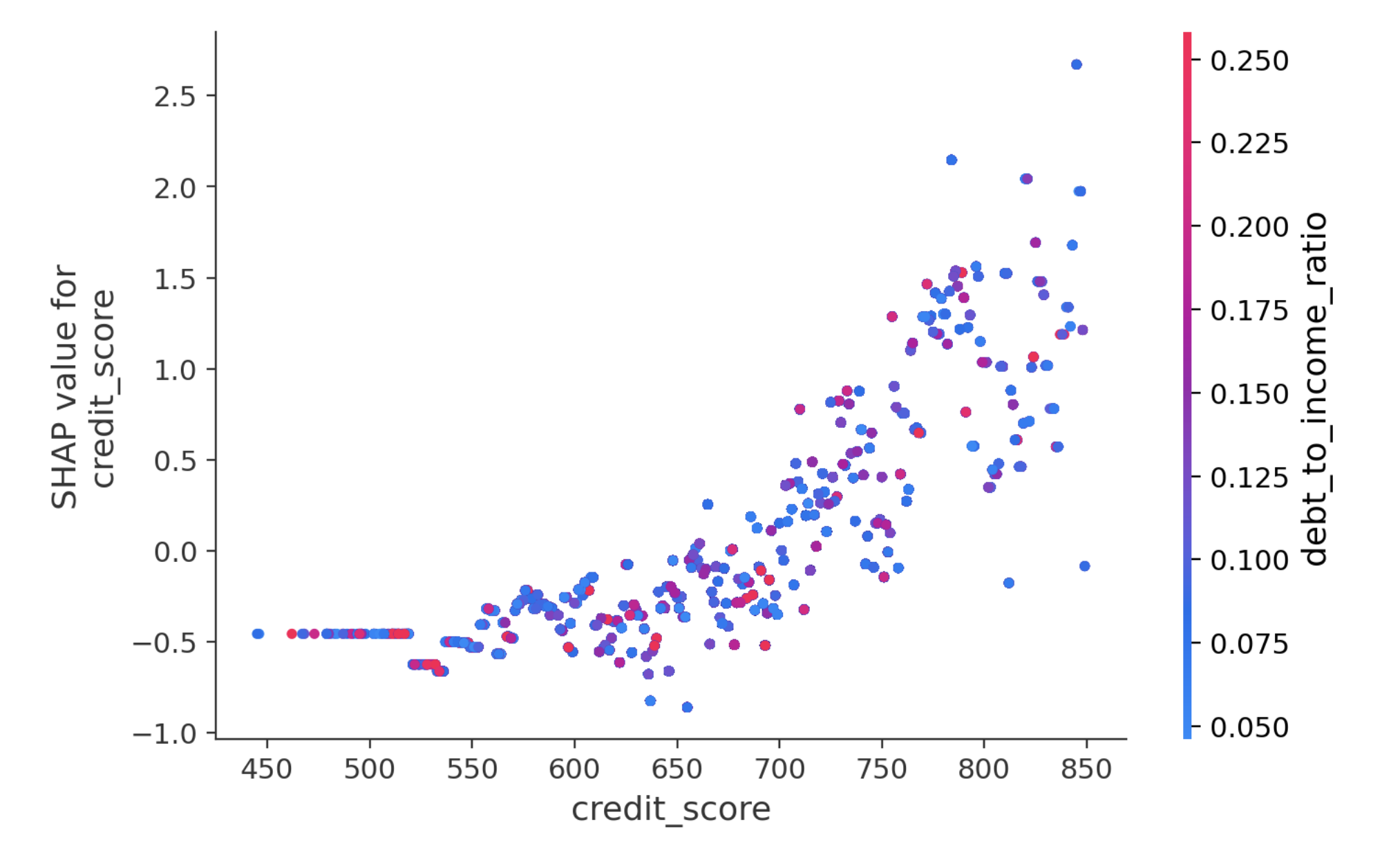
Feature-wise SHAP Analysis
By using Agent Skills, you can embed entire libraries of domain knowledge directly into your AI’s workflow. These skills are reusable, portable, and—in my opinion—will soon be a requirement for any business using AI agents.
I look forward to seeing how Agent Skills continue to permeate the corporate world and what innovations they will trigger. TOSHI STATS Co. will continue to lead the way in this space.
Stay tuned!
You can enjoy our video news ToshiStats-AI from this link, too!
1) Agent Skills
2) Predicting Loan Payback, Yao Yan, Walter Reade, Elizabeth Park. Kaggle, 2025
3) Introducing Claude Opus 4.6, Anthropic, Feb 5 2026
Copyright © 2026 Toshifumi Kuga. All right reserved
Notice: ToshiStats Co., Ltd. and I do not accept any responsibility or liability for loss or damage occasioned to any person or property through using materials, instructions, methods, algorithms or ideas contained herein, or acting or refraining from acting as a result of such use. ToshiStats Co., Ltd. and I expressly disclaim all implied warranties, including merchantability or fitness for any particular purpose. There will be no duty on ToshiStats Co., Ltd. and me to correct any errors or defects in the codes and the software.