Agentic AI

Is agentic coding viable for Kaggle competitions?

The "Agentic Coding" trend continues to accelerate as we enter 2026. In this post, I will challenge myself to see how high I can push accuracy by delegating the coding process to an AI agent, using data from the Kaggle competition Home Credit Default Risk [1]. Let's get started right away.


1. Combining Claude Code and Opus 4.5

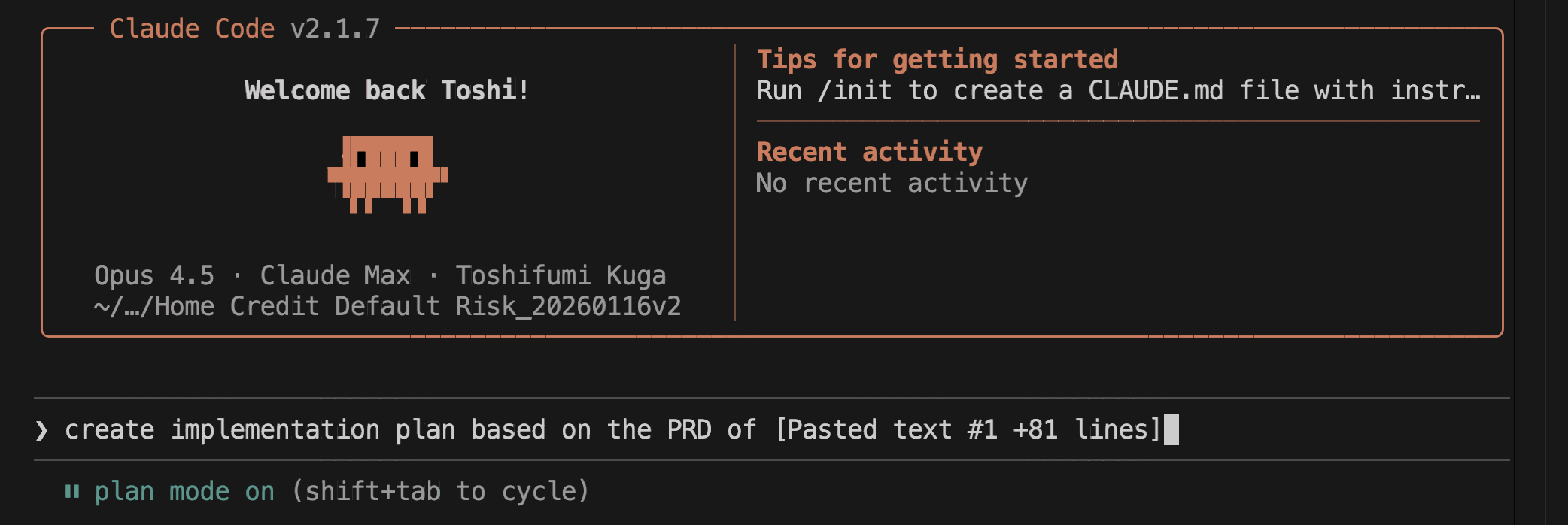
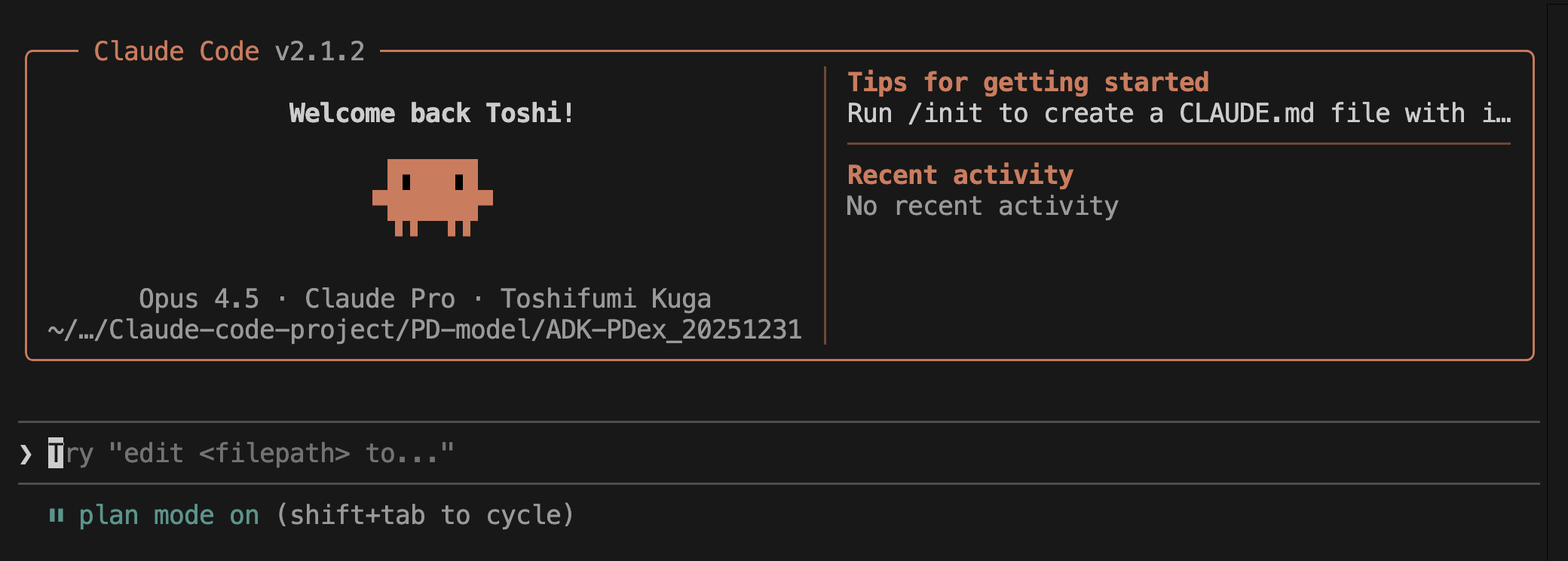
I will be using Opus 4.5, a generative AI renowned for its coding capabilities. Additionally, I will use Claude Code as my coding assistant, as shown below. While I enter instructions into the prompt box, I do not write any Python code myself.

You can see the words "plan mode" at the bottom of the screen. In this mode, Claude Code formulates an implementation plan based on my instructions. I simply review it, and if everything looks good, I authorize the execution.

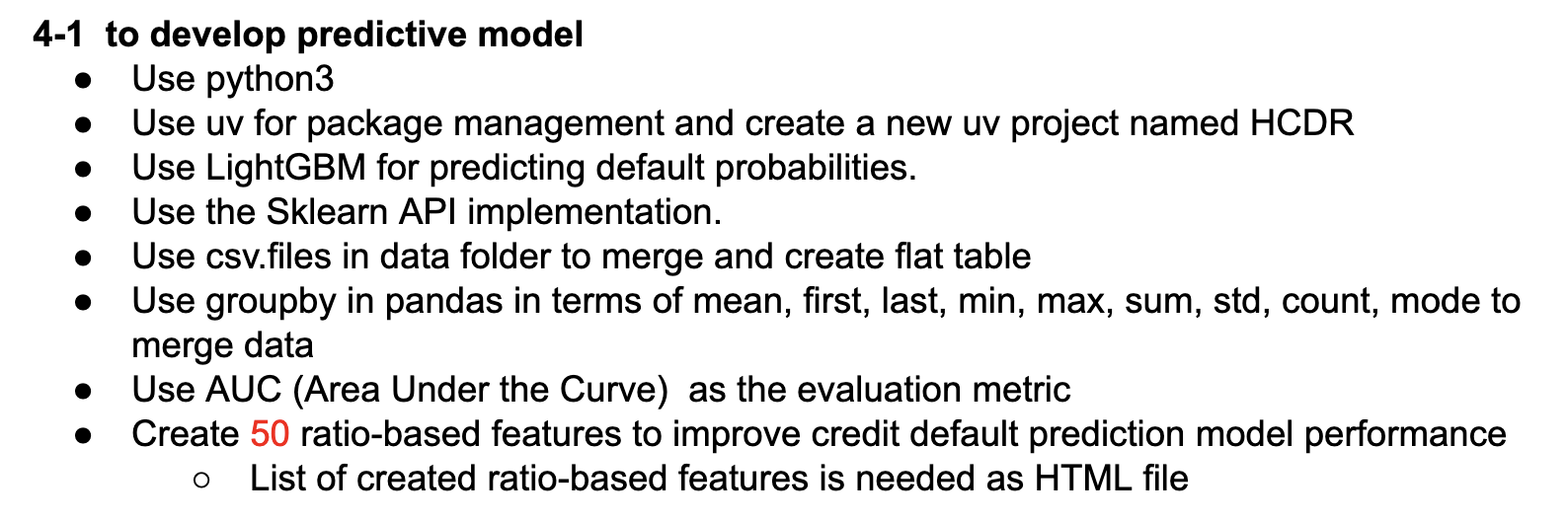
Let's look at the actual instructions I issued. It is quite long for a "prompt," spanning about two A4 pages. The beginning of the implementation instructions is shown below. I wrote it in great detail. I'd like you to pay special attention to the final instruction regarding the creation of 50 new features using ratio calculations.

              Part of the Product Requirement Document

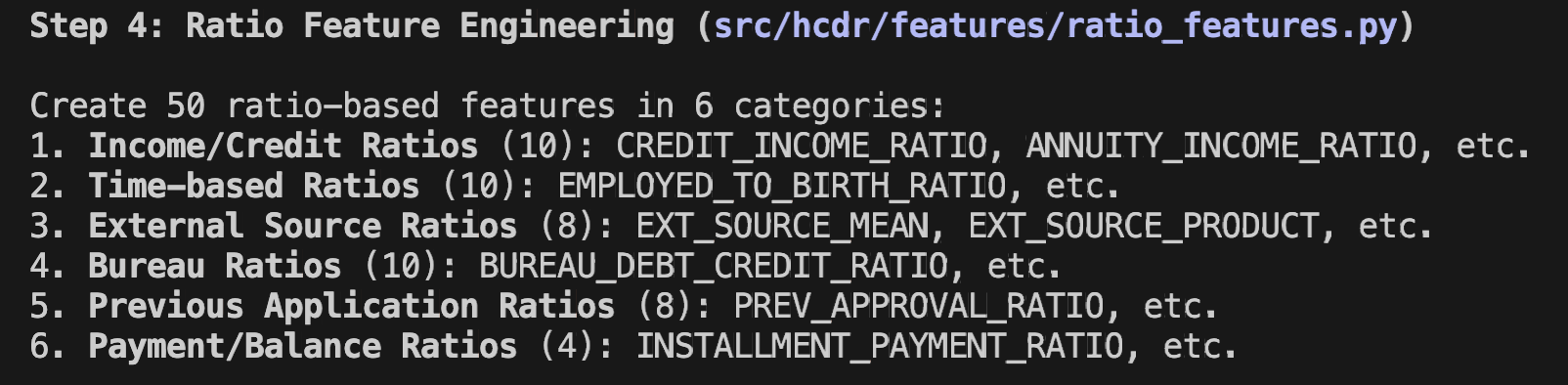
Below is a portion of the implementation plan formulated by the AI agent. It details the method for creating new features via ratio calculations. Although I only specified the quantity of features, the plan shows that it selected features likely to be relevant to loan defaults before calculating the ratios.

The AI agent utilized its own domain knowledge to make these selections; they were certainly not chosen at random. This demonstrates the high-level judgment capabilities unique to AI agents.

              New feature creation plan by the AI Agent

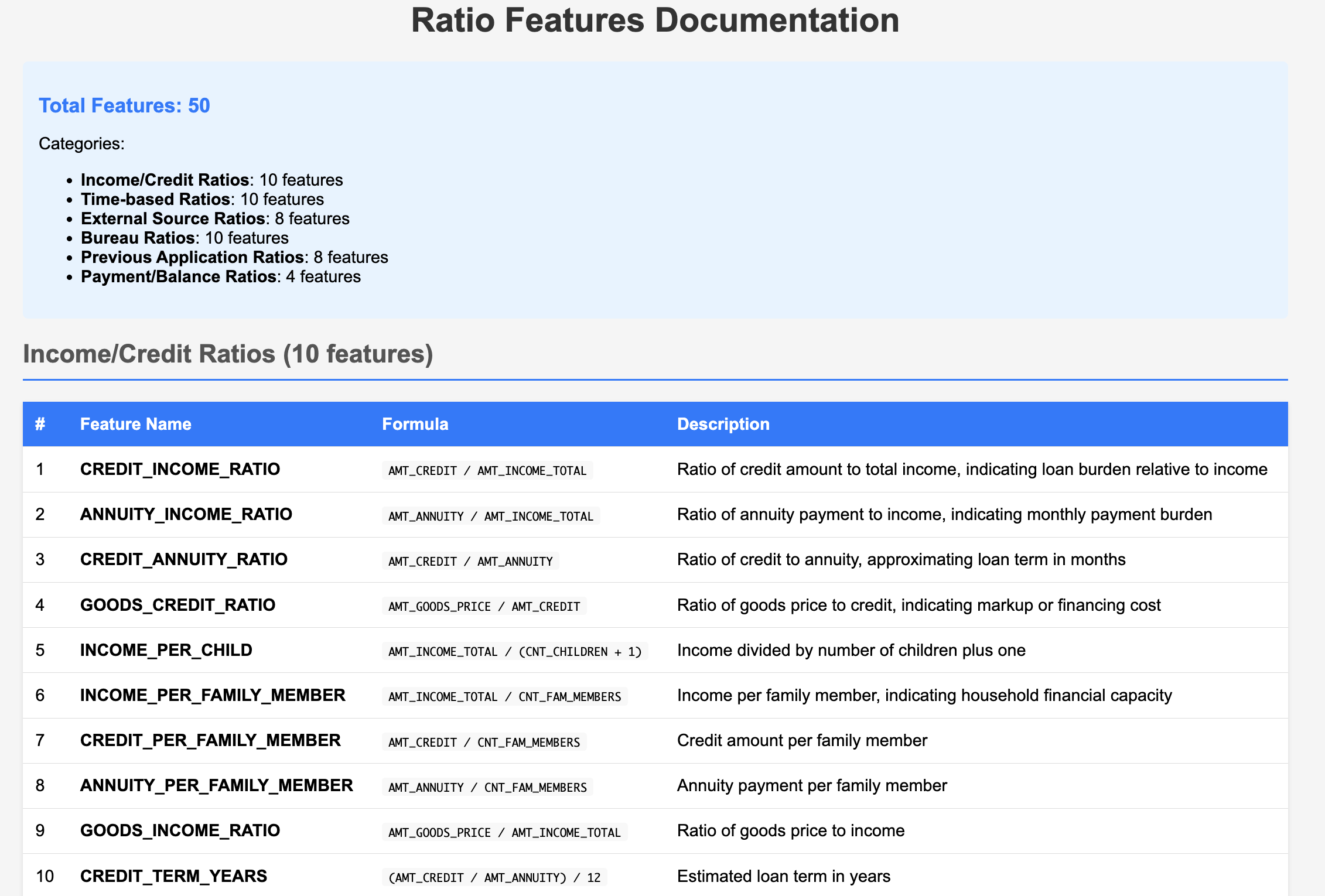
            Part of the new features actually created by the AI Agent


2. Achieving an AUC of 0.79

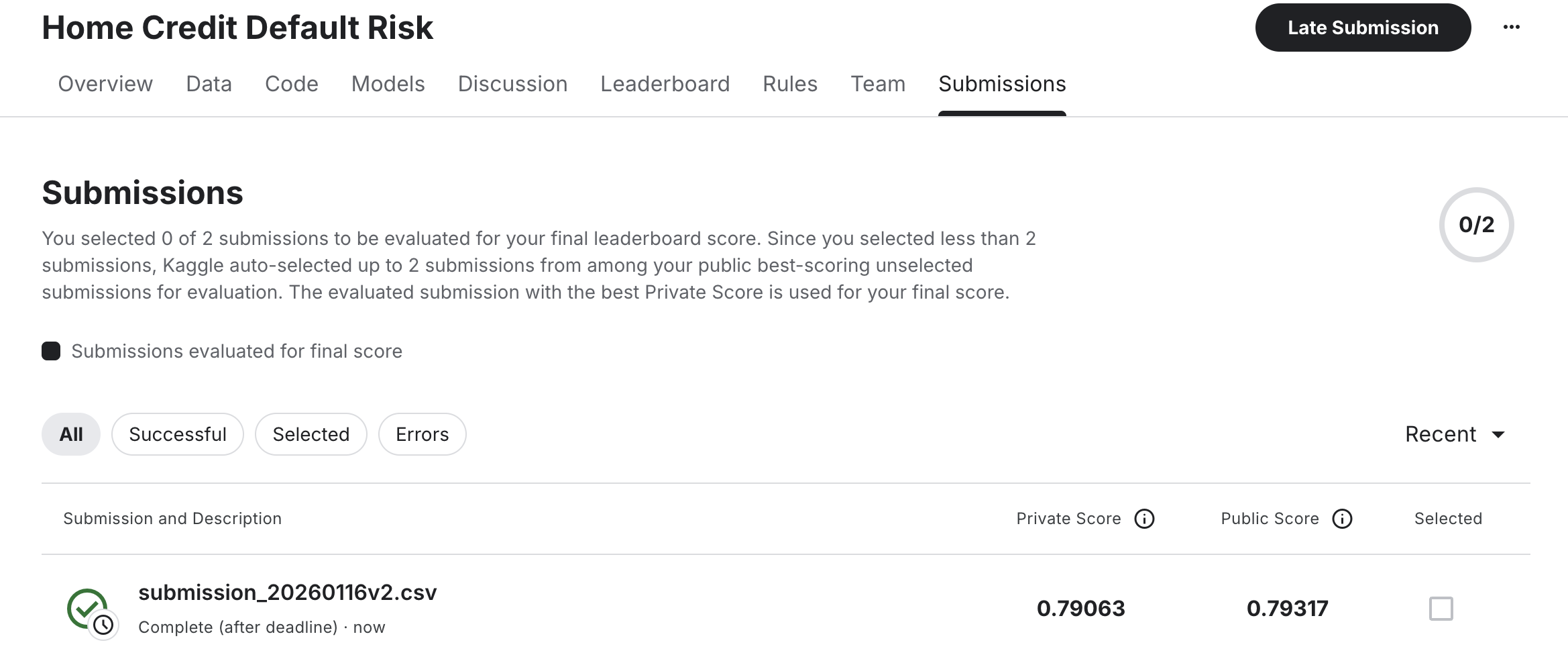
By adopting LightGBM as the machine learning library, using the newly created features, and performing hyperparameter tuning, I was able to achieve an AUC of 0.79063, as shown below.

Reaching this level without writing a single line of Python code myself marks this experiment as a success. The data used to build the machine learning model consisted of seven different CSV files. These had to be merged correctly, and the AI agent handled this task seamlessly. Truly impressive!

                 Evaluation results on Kaggle


3. Will AI Agents Handle Future Machine Learning Model Development?

While the computation time depends on the number of features created, it generally took between 1 to 4 hours. I ran the process several times, and the calculation never stopped due to syntax errors. The AI agent likely corrected any errors itself before proceeding to the next calculation step.

Therefore, once the initial implementation plan is approved, the results are generated without any further human intervention. This could be revolutionary. You simply input what you want to achieve via a PRD (Product Requirement Document), the AI agent creates an implementation plan, and once you approve it, you just wait for the results. The potential for multiplying productivity several times over is certainly there.


How was it? I was personally astonished by the high potential of the "Claude Code and Opus 4.5" combination. With a little ingenuity, it seems capable of even more.

This story is just beginning. Opus 4.5 will likely be upgraded to Opus 5 within the year. I am already looking forward to seeing what AI agents will be capable of then.

That’s all for today. Stay tuned!


1) Home Credit Default Risk, kaggle


You can enjoy our video news ToshiStats-AI from this link, too!


Copyright © 2026 Toshifumi Kuga. All right reserved
Notice: ToshiStats Co., Ltd. and I do not accept any responsibility or liability for loss or damage occasioned to any person or property through using materials, instructions, methods, algorithms or ideas contained herein, or acting or refraining from acting as a result of such use. ToshiStats Co., Ltd. and I expressly disclaim all implied warranties, including merchantability or fitness for any particular purpose. There will be no duty on ToshiStats Co., Ltd. and me to correct any errors or defects in the codes and the software.
"ClaudeCode + Opus 4.5" Arrives as the 2026 Game Changer !

2026 has officially begun! The AI community is already abuzz with talk of "agentic coding" using ClaudeCode + Opus 4.5. I decided to build an actual application myself to test the potential of this combination. Let’s dive in.


1. ClaudeCode + Opus 4.5

These are the coding assistant and frontier model from Anthropic, respectively, both renowned for their strength in coding tasks. I imagine many will use them integrated into an IDE like VS Code, as shown below. You can see the selected model is Opus 4.5. Also, notice the "plan mode" indicator at the bottom.

                   ClaudeCode

Here, a data scientist inputs a prompt detailing exactly what they want to develop. The system then enters "plan mode" and generates an implementation plan like the following. The actual output is quite long, but here is the summary:

                   Implementation Plan

The goal this time is to create an application that combines machine learning and Generative AI, as described above. Once you agree to this implementation plan, the actual coding begins.


2. Completion of the AI App with GUI

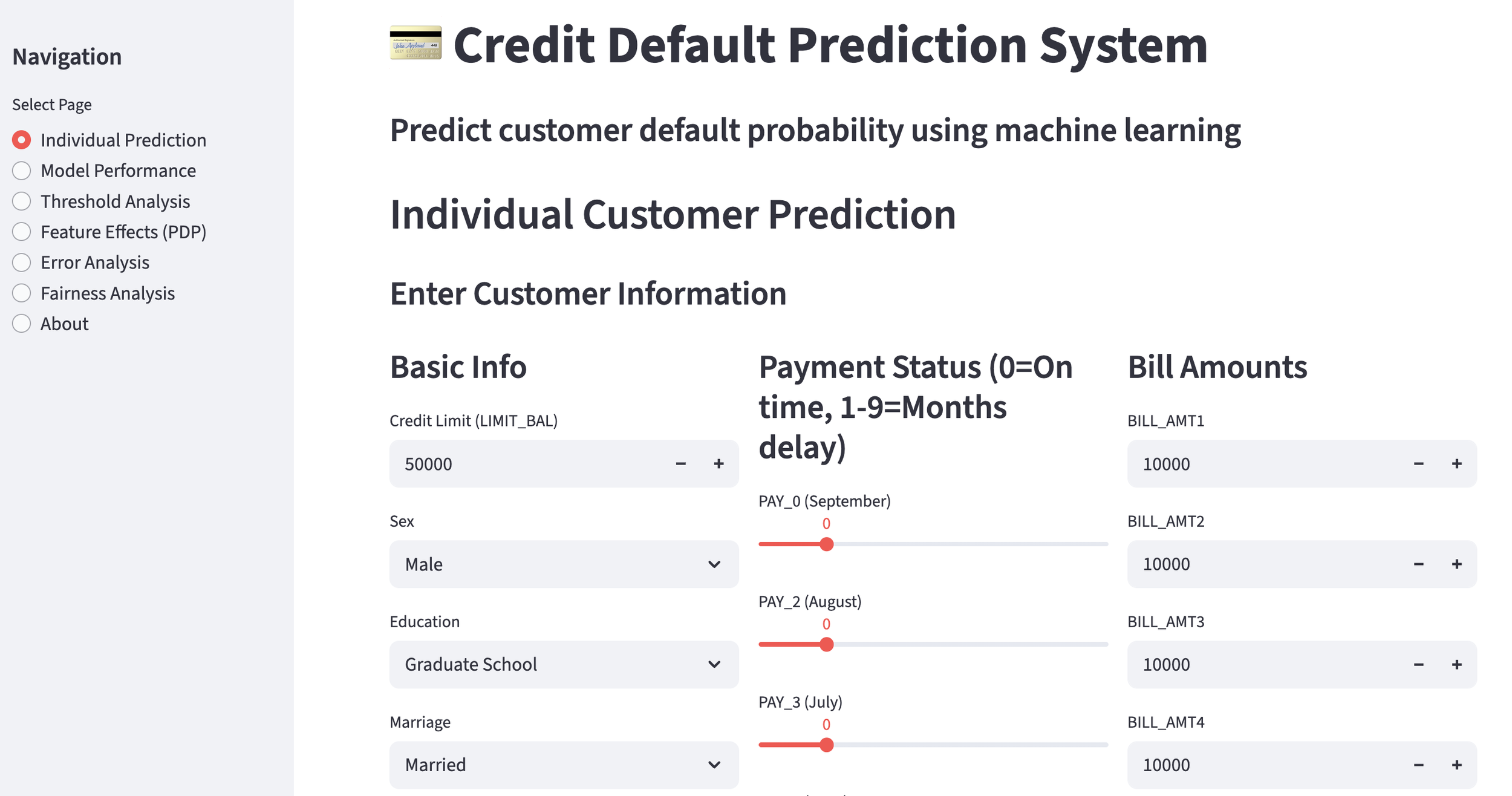
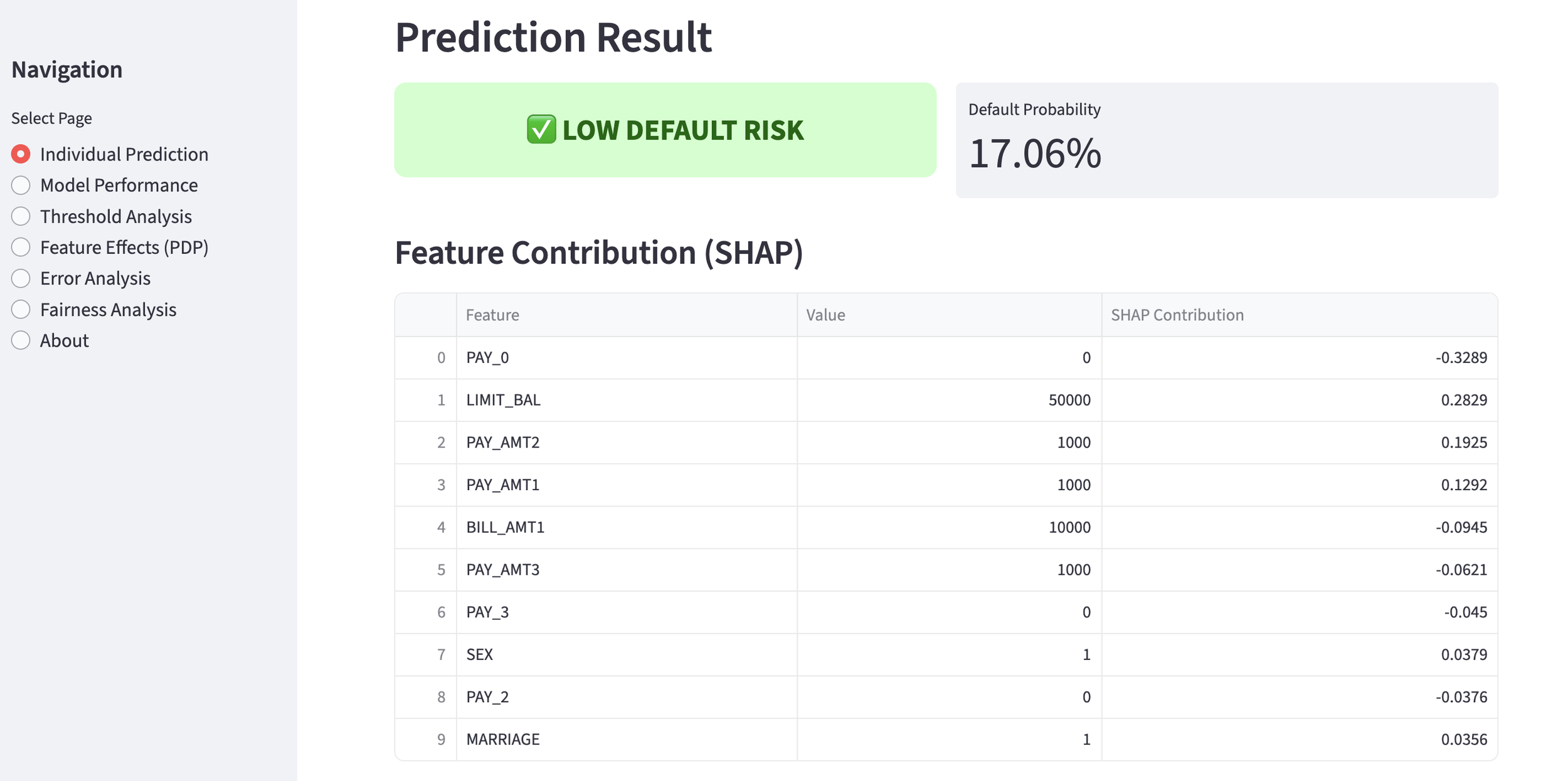
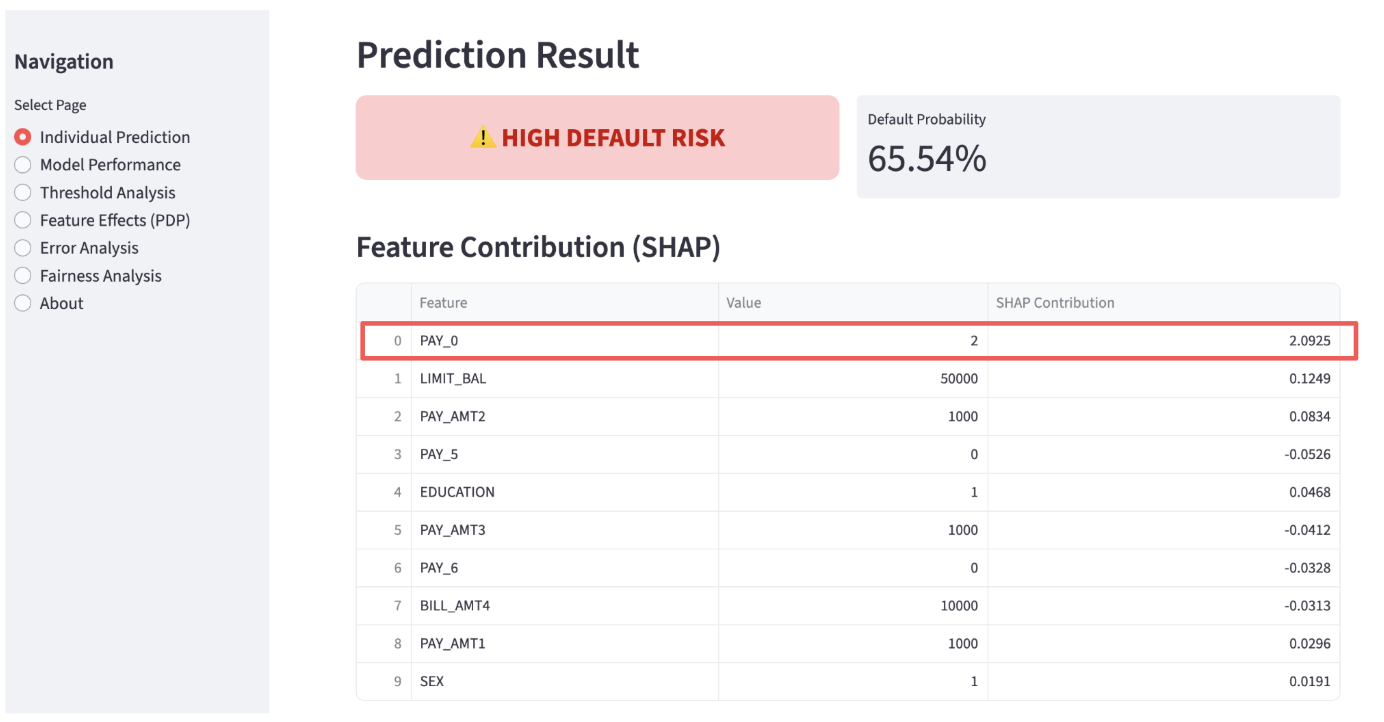
In this completed app, you can input customer data via the screen below to calculate the probability of default, which can then be used to assess loan eligibility.

The first customer shows low risk, so a loan appears feasible.

                    Input Screen

                   Default Probability 1

‍                 ‍Default Probability 2

For the second customer, as highlighted in the red frame, the payment status shows a 2-month delay. The probability of default skyrockets to 65.54%. This is a no-go for a loan.


3. Validating Model Accuracy on a Separate Screen

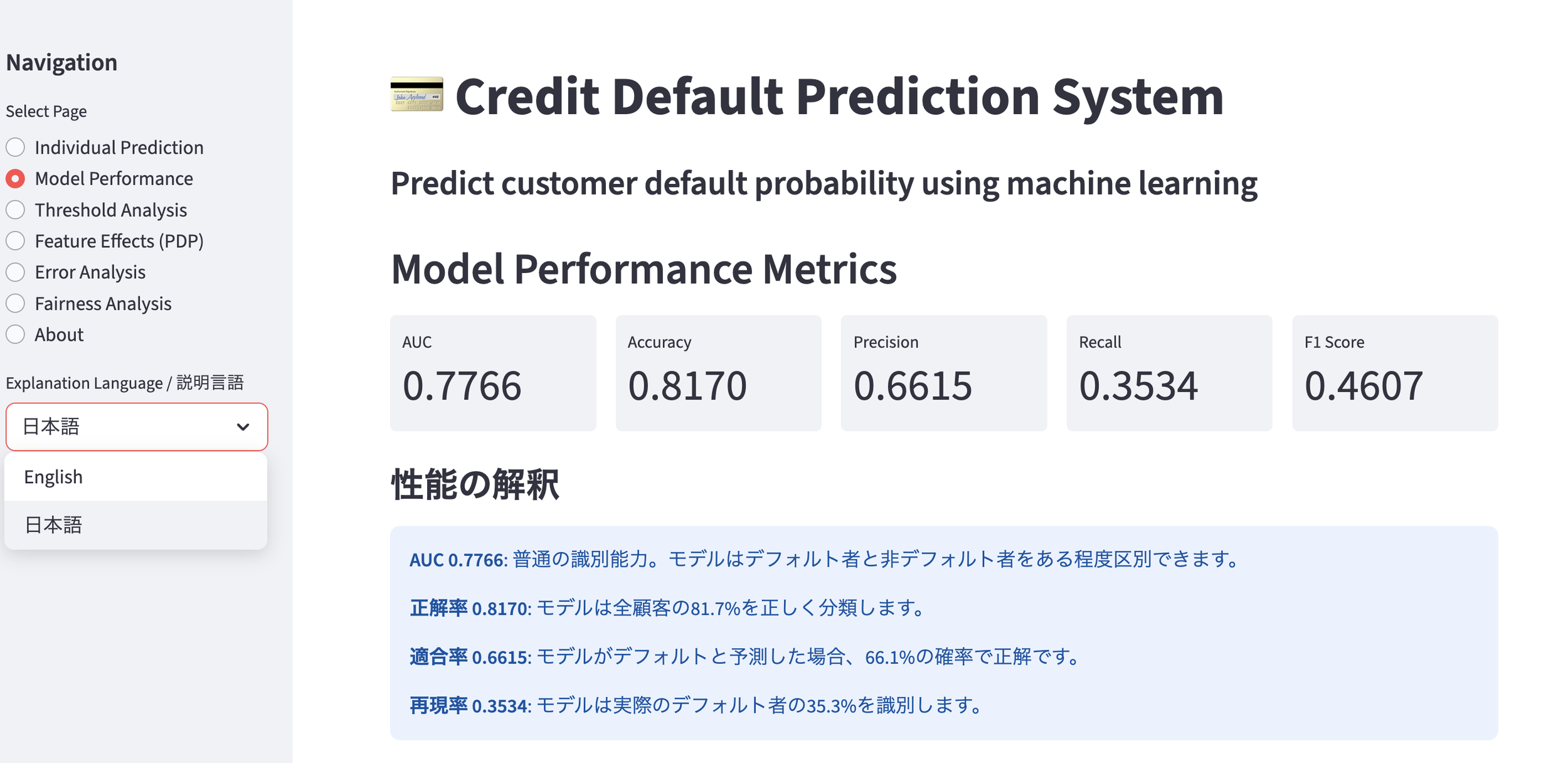
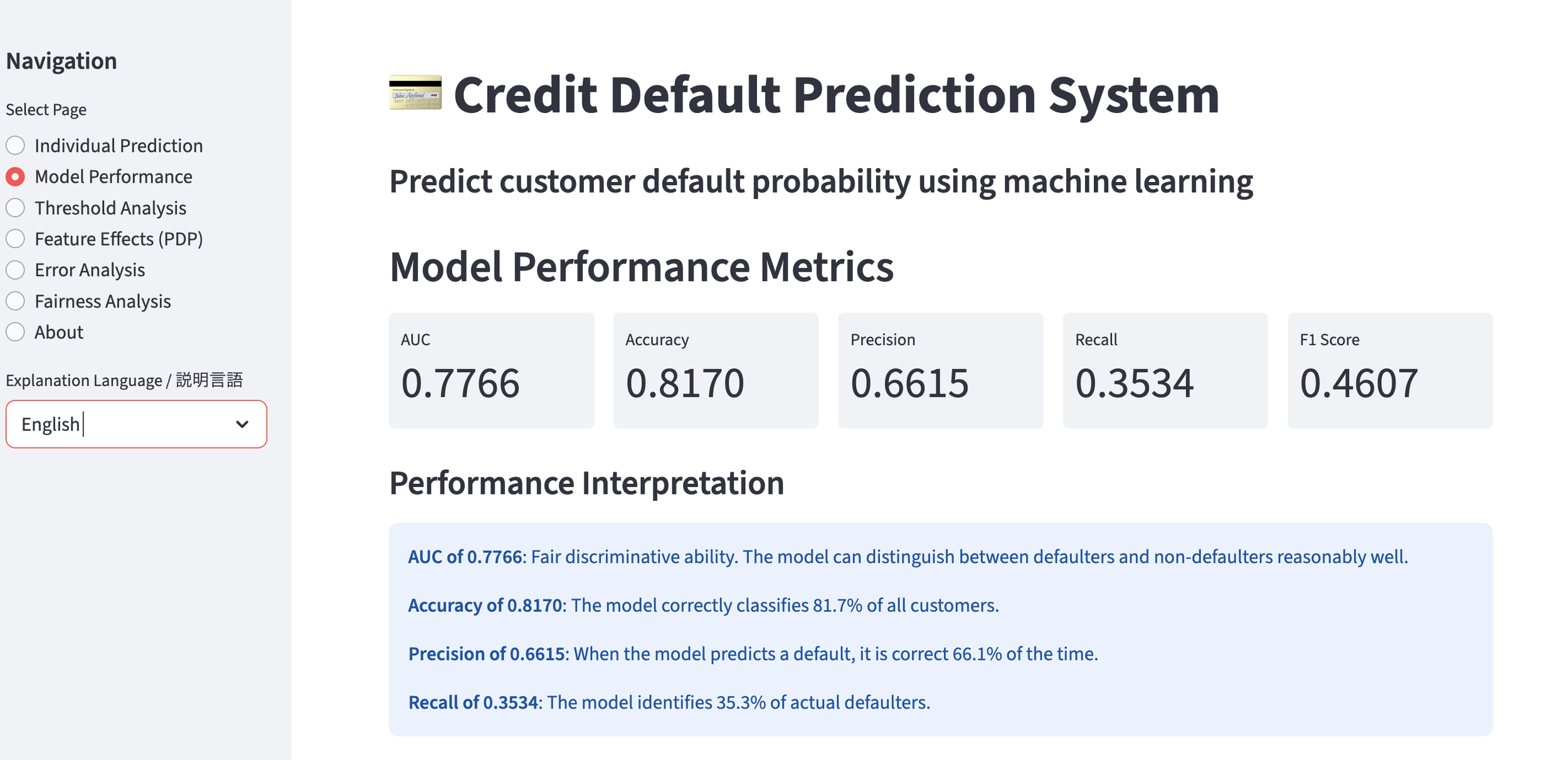
This screen displays the metrics for the constructed prediction model, allowing you to gauge its accuracy. While figures like AUC are bread and butter for experts, they might be a bit difficult for general business users to grasp.

To address this, I decided to include natural language explanations. By leveraging Generative AI, implementing multilingual support is relatively straightforward.

Switching the setting changes the text from English to Japanese. Of course, support for other languages could be added with further development.

While I used Opus 4.5 during the development phase, this application uses an open-source Generative AI model internally. This allows it to function completely disconnected from the internet—making it ideal even for enterprises with strict security requirements.


So, what are your thoughts?

An application with this rich feature set and a high-precision machine learning model was completed entirely with no-code. I didn't write a single line of code this time.

Opus 4.5 was truly impressive; the process never stalled due to syntax errors or similar issues. I can genuinely feel that the accuracy is on a completely different level compared to just six months ago. moving forward, it seems likely that "agentic coding" will become the standard starting point for creating new machine learning models and GenAI apps. It feels like PoC-level projects could now be knocked out in a matter of days.

I’m looking forward to building many more things. That’s all for today.

Stay tuned!


You can enjoy our video news ToshiStats-AI from this link, too!

Copyright © 2026 Toshifumi Kuga. All right reserved
Notice: ToshiStats Co., Ltd. and I do not accept any responsibility or liability for loss or damage occasioned to any person or property through using materials, instructions, methods, algorithms or ideas contained herein, or acting or refraining from acting as a result of such use. ToshiStats Co., Ltd. and I expressly disclaim all implied warranties, including merchantability or fitness for any particular purpose. There will be no duty on ToshiStats Co., Ltd. and me to correct any errors or defects in the codes and the software.
Your Guide to AI Agents: Insights from Andrew Ng's Latest Course

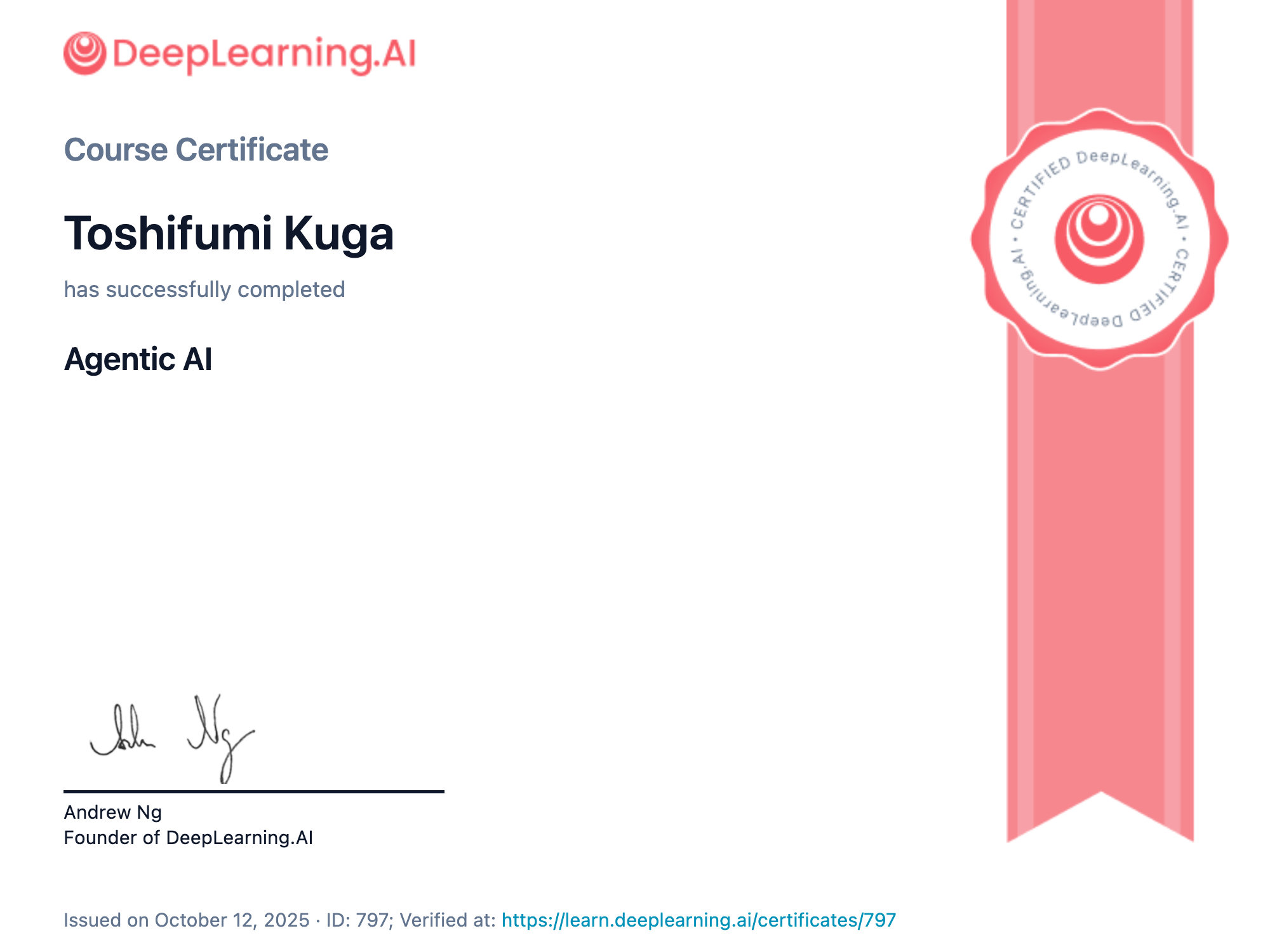
A new online course called "Agentic AI" (1) has been released by DeepLearning AI. The creator is Andrew Ng, an adjunct professor at Stanford University, who is also famous for his past machine learning-related courses. For me, this is the first course I've taken from him since the Deep Learning Specialization in 2018. I've just completed it, and I'd like to share my thoughts and a recommendation.


1. Course Overview

The course is divided into five modules, each consisting of 5-7 short videos (about 5-10 minutes each), a quiz, and coding tasks using jupyter notebook. By passing each assignment, you are ultimately awarded a certificate of completion. The level is listed as intermediate; while a basic knowledge of Python is necessary, I believe that even those without specialized knowledge in AI can progress through the material and naturally come to understand it. The main topics are as follows:

Reflection: AI critiques its own work and iterates to improve quality—like code review, but automated.

Tool Use: Connect AI to databases, APIs, and external services so it can actually perform actions, not just generate text.

Planning: Break complex tasks into executable steps that AI can follow and adapt when things don’t go as expected.

Multi-Agent: Coordinate multiple specialized AI systems to handle different parts of a complex workflow.

Created by Andrew Ng, who teaches at Stanford while concurrently doing practical consulting work, I found the course to have a wonderful balance between theory and practice.


2. Reflection and Tool Use

The second and third modules are critical technologies for the future realization of AGI. In particular, "Reflection," where an AI improves itself, is also known as Recursive Self Improvement and is a field being researched worldwide. This module introduces a method that allows even non-experts to incorporate reflection functionality, which I am very eager to try implementing. Additionally, using tools allows a generative AI to incorporate information that is difficult to acquire on its own, thereby enhancing the AI agent's capabilities. Furthermore, this information can be applied to the "Reflection" process, promising a synergistic effect. I'm also keen to implement this and see what kind of information can be integrated.


3. Error Analysis

As Andrew Ng states, this fourth module is, in my opinion, the most important and valuable content in the course. Generative AI is excellent, but it is not perfect. There is still a considerable possibility that it will produce incorrect answers. Therefore, to raise its accuracy to a practical level, the course emphasizes the importance of adopting a strategy that quickly identifies the parts of the overall process with the lowest performance and allocates resources to improving those areas. I can certainly see how for a complex AI agent that may contain numerous sub-agents, identifying and prioritizing the reinforcement of its weaknesses is incredibly important in practical applications.


So, what did you think? With a flood of AI-related news every day, many people are likely wondering, "How should I proceed with my AI projects from now on?" I believe this course provides a valuable perspective for thinking in the medium to long term. While it is a paid course, it is not as expensive as university tuition, and I highly recommend trying it. Incidentally, because I studied intensively, I was able to receive my certificate in about three days. It's certainly possible for a business professional to complete it over a long weekend.

Well, that's all for today. Stay tuned!


You can enjoy our video news ToshiStats-AI from this link, too!


1) Agentic AI, Andrew Ng,  DeepLearning AI, Oct 2025 


Copyright © 2025 Toshifumi Kuga. All right reserved

Notice: ToshiStats Co., Ltd. and I do not accept any responsibility or liability for loss or damage occasioned to any person or property through using materials, instructions, methods, algorithms or ideas contained herein, or acting or refraining from acting as a result of such use. ToshiStats Co., Ltd. and I expressly disclaim all implied warranties, including merchantability or fitness for any particular purpose. There will be no duty on ToshiStats Co., Ltd. and me to correct any errors or defects in the codes and the software.