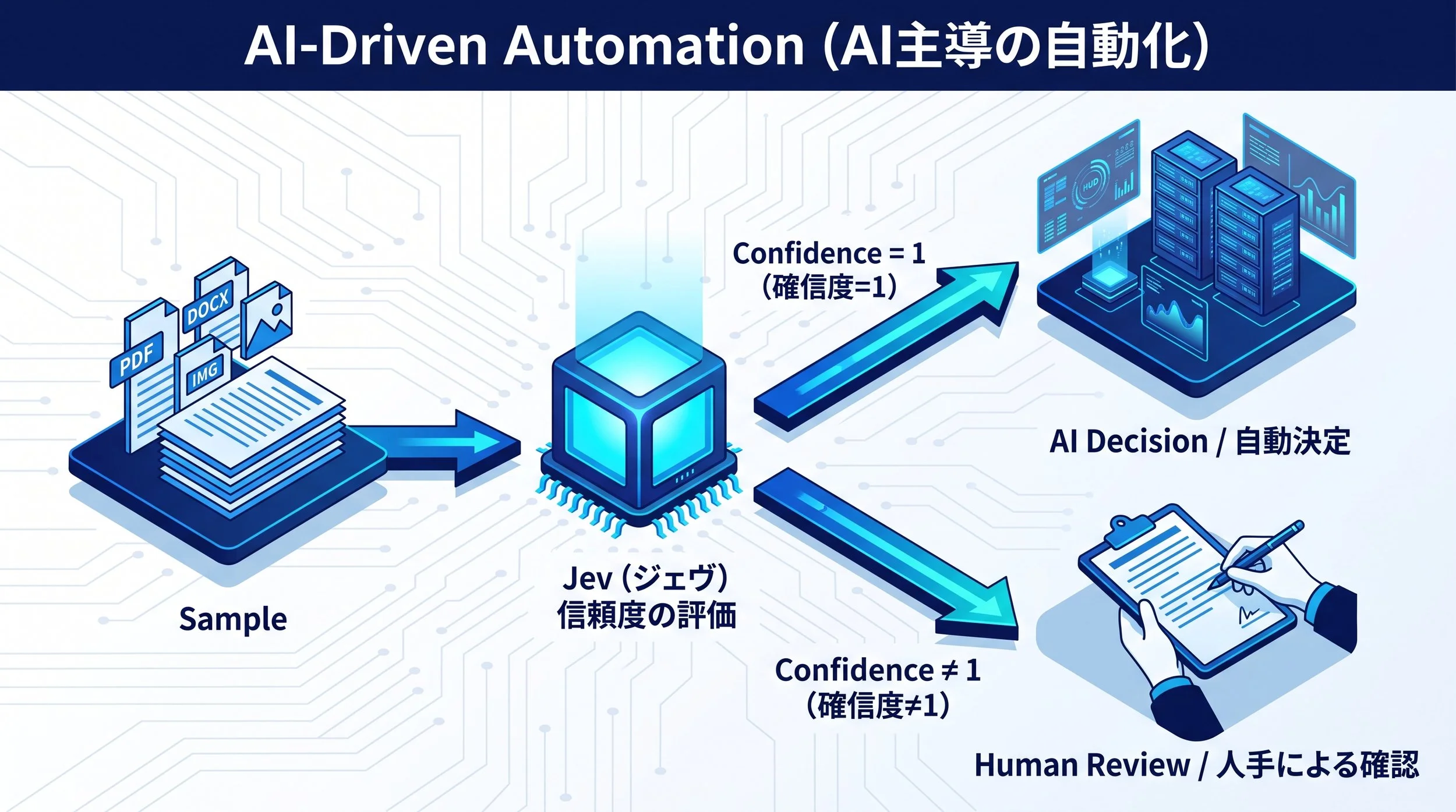
automation

Open-Jev: A Zero-Cost Game Changer for AI-Driven Automation?

Inspired by "Jev" (1), an AI model specialized in decision-making, a number of downloadable open-weight Jev models—which I will refer to here as Open-Jev—have been emerging. Today, I will pick five Open-Jev models and compare them with the original Jev to examine their characteristics. Since open-weight models can be downloaded and run on your local PC, there is zero cost compared to using Jev via an API, and all data remains entirely on your local PC. Consequently, they can be used even in environments with strict security requirements, making them extremely convenient. Without further ado, let's get started.


1.What is Open-Jev?

AI models specialized in tasks that answer through intuitive judgment are sometimes called "System one" models. Jev, which debuted on September 15, 2026, is a prime example of such a model. Since then, several open-weight models with capabilities similar to Jev have emerged. While their architectures are not necessarily similar to Jev's, I refer to these open-weight System 1 models as Open-Jev and plan to use them going forward. For this experiment, I have lined up five Open-Jev models available on Ollama (2), as shown below.
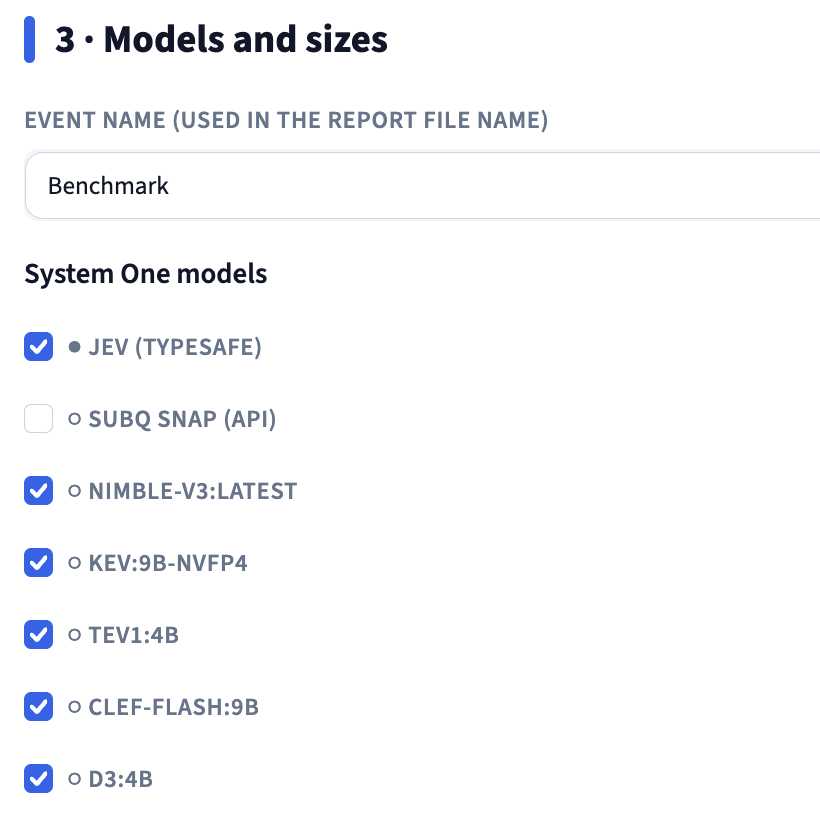
Let's immediately test how close these five Open-Jev models can get to the original Jev in terms of accuracy and computation speed.


2.Experimenting with Bank Complaint Analysis

The task we are tackling this time is an experiment analyzing 100 samples of customer complaints submitted to a bank to determine which financial product each individual complaint pertains to (3). Although I have conducted this experiment before, this is my first time trying it with Open-Jev models. Because it is a task that can be answered intuitively, I believe it is well-suited for Open-Jev, which are System one models. The actual prompt used is shown below. Since the complaints are written in English, the prompt is also in English. This prompt was automatically generated by a Large Language Model (LLM) after reading the sample data to match its content.
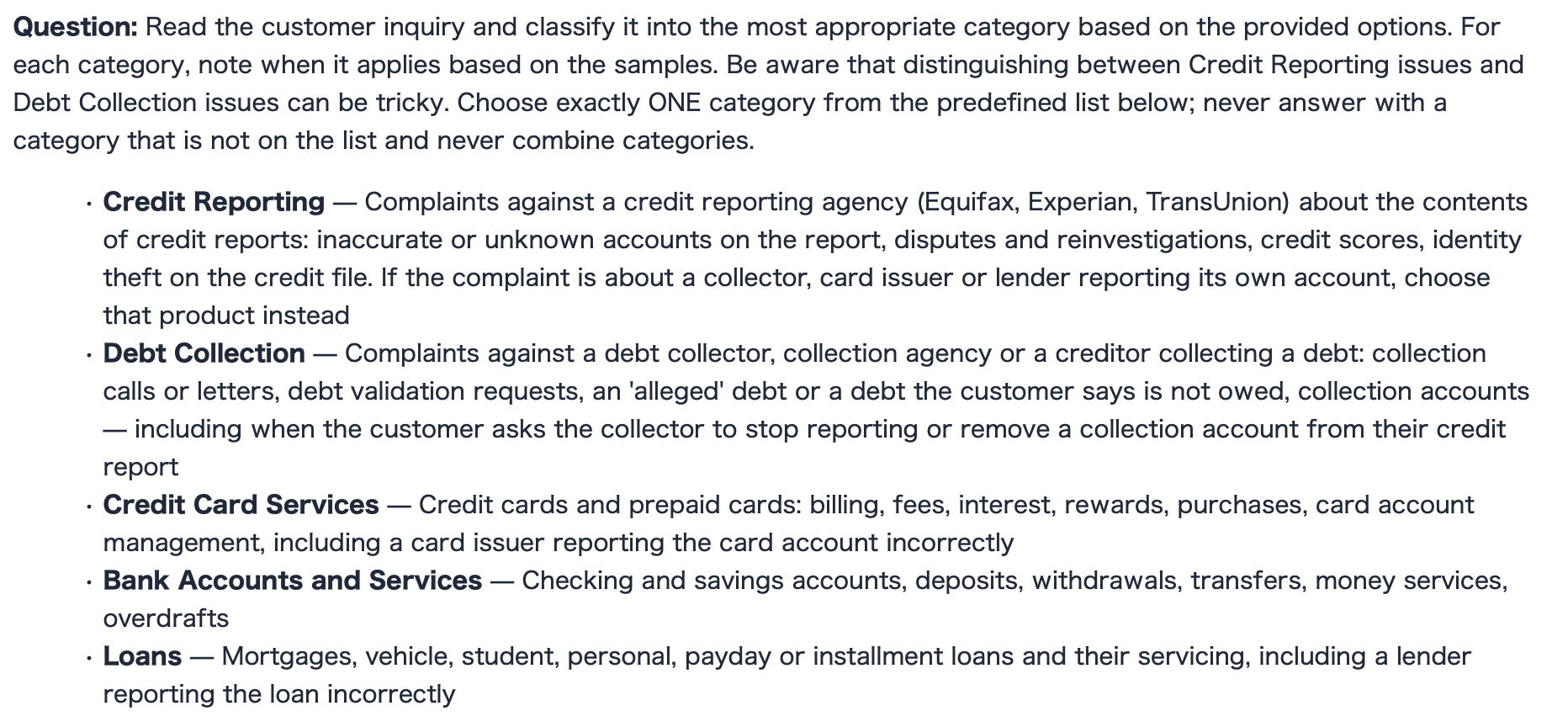
Prompt

The 100 customer complaint samples used this time contain an equal distribution of the five financial products mentioned above. Let's see how well Open-Jev can identify which of the five financial products each customer complaint is directed at.


3.Accuracy, Computation Speed, and Confidence Score

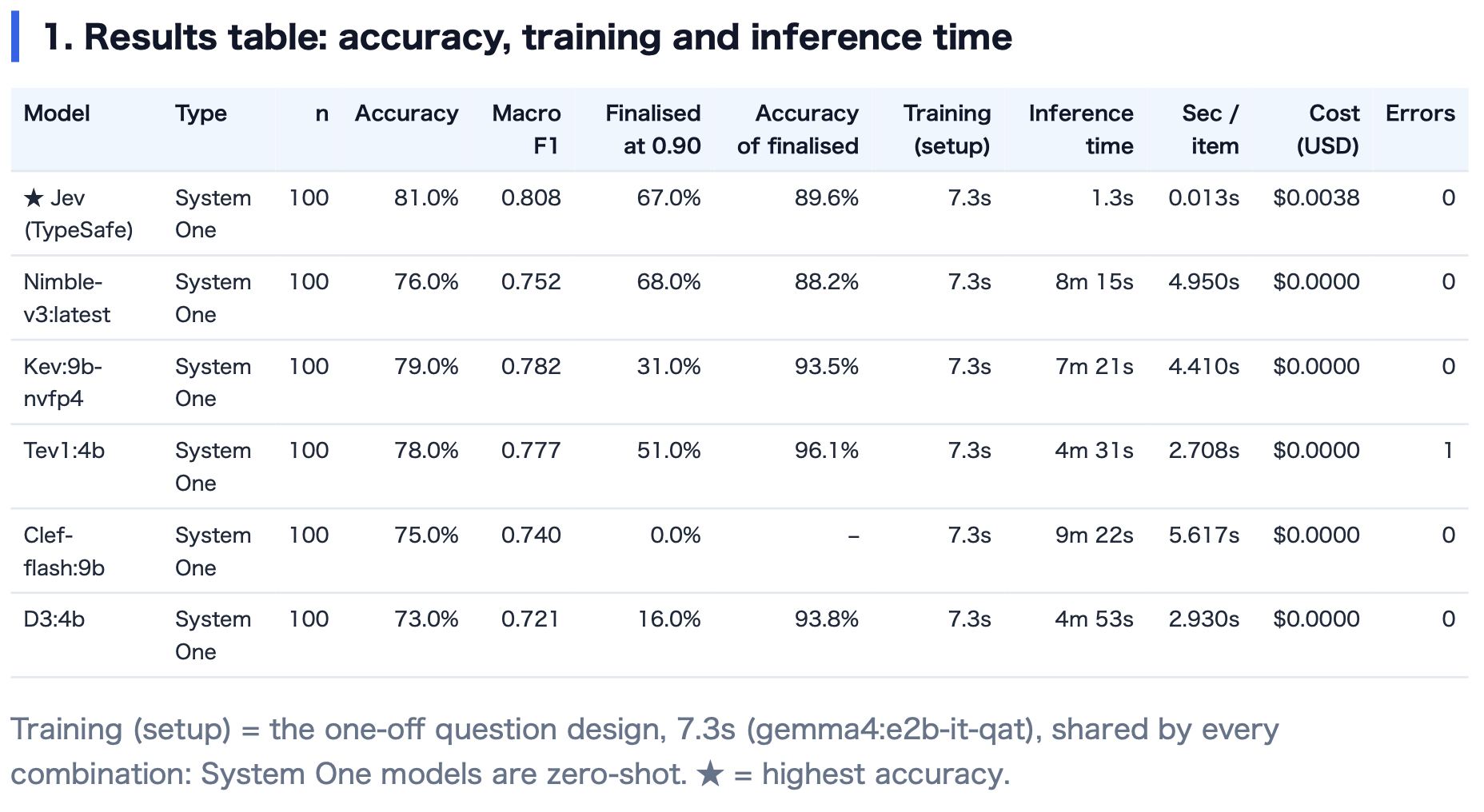
Now let's look at the experimental results. First, regarding accuracy, Jev took the top spot with 81% accuracy. That is to be expected from the original model. Most of the other Open-Jev models achieved accuracy in the high 70% range. I think they put up a very good fight. However, in terms of computation speed, while Jev took about one-hundredth of a second per sample, even the fastest Open-Jev model, Tev1:4B, took 2.7 seconds, requiring significantly more time. Here, the original Jev won by a landslide. That said, Open-Jev runs on a local PC, and this computation speed depends on the hardware used for this experiment—a MacBook Air M4 with 24GB of RAM. Naturally, as hardware performance improves, the speed will also increase, so that point needs to be taken into account.
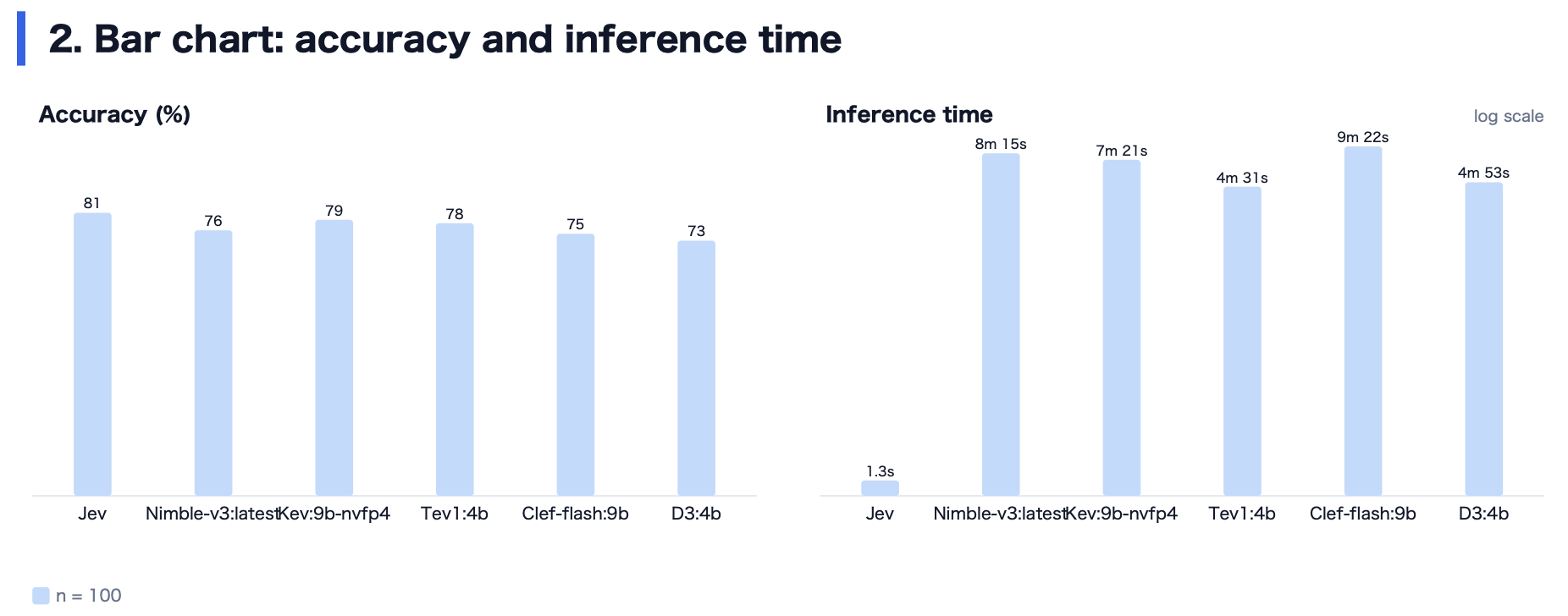
For System one models, accuracy is not the only thing that matters. How confidently a decision is output—referred to as the "confidence score" or "reliability"—is crucial when advancing AI-driven workflow automation. Here, I will benchmark against Jev to see what characteristics each Open-Jev model possesses.
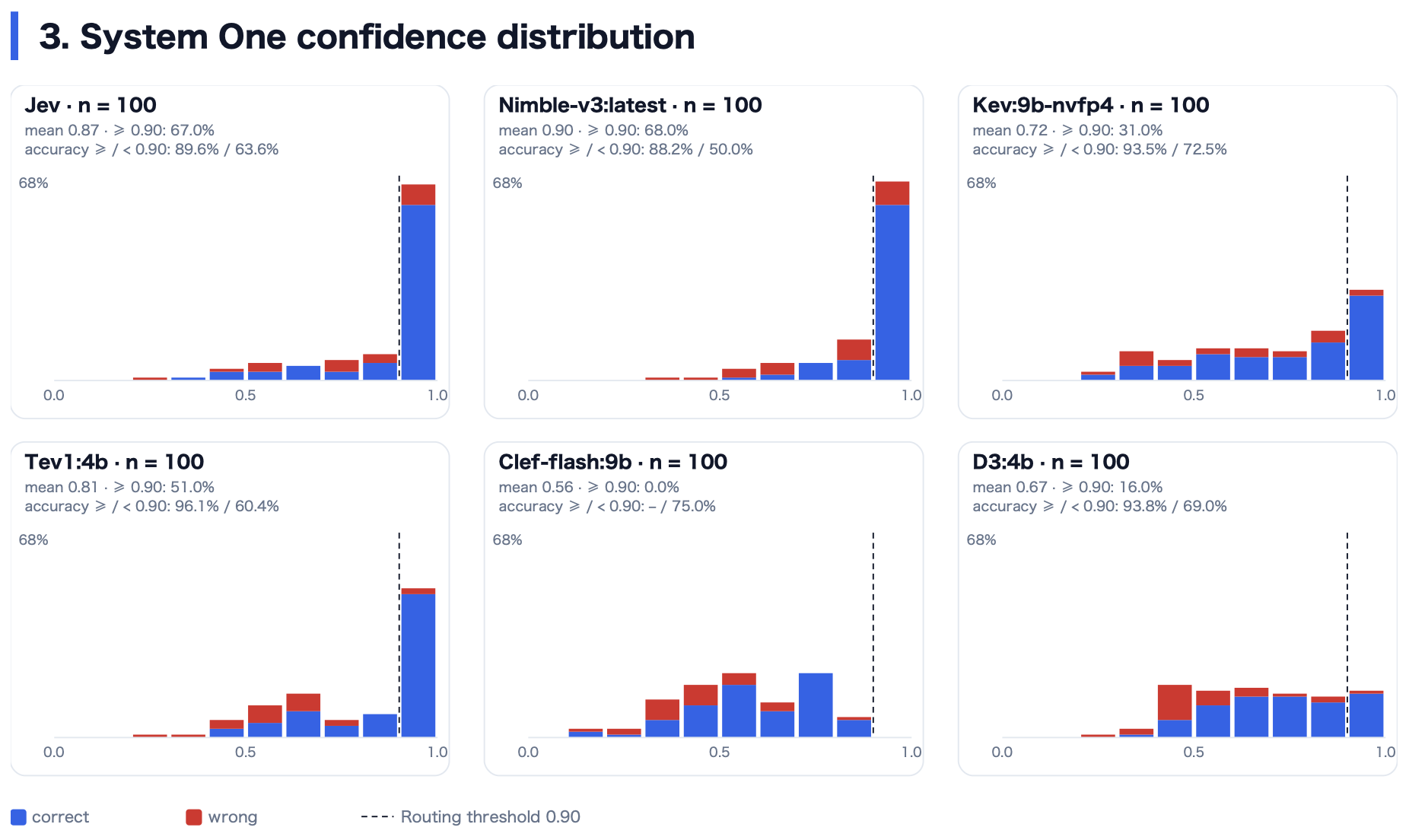
First, let's look at the confidence distribution of Jev in the upper left. The horizontal axis of the graph represents the confidence score, with each sample assigned a value between 0.0 and 1.0. There is a tall bar on the right side of the graph, which represents the distribution of samples with a confidence score of 0.9 or higher. This bar contains 67% of the total samples, meaning that if a threshold is set at a confidence score of 0.9, more than two-thirds of the samples will fall into this category. Blue indicates correct answers, while red indicates errors. Since the rightmost bar is not entirely blue, the accuracy is not 100%, but there is no doubt that it boasts high accuracy. It can be inferred that at a confidence threshold of 0.9, Jev clearly distinguishes between confident decisions and uncertain ones.

The models with confidence distributions similar to Jev are Nimble-v3:latest and Tev1:4b. Both include over 50% of the samples at the 0.9 confidence threshold, and the accuracy of those samples is also high. The other Open-Jev models have flatter confidence distributions, suggesting they are unable to effectively separate confident decisions at a confidence level of 0.9 or above. Therefore, to advance AI-driven automation, choosing either Nimble-v3:latest or Tev1:4b would be ideal. Please see here for more detailed experimental results.
 

What did you think? I believe Open-Jev demonstrated performance comparable to the original Jev. Currently, since Jev can only be used via an API, there are likely many cases where it cannot be used in environments with strict security requirements. In such situations, considering Open-Jev is well worth it. The fact that it incurs no cost is another advantage. To increase computation speed, however, it will likely be necessary to prepare a high-powered GPU.


The development of Open-Jev has only just begun. As high-performance models are expected to emerge one after another in the future, we at Toshi Stats intend to actively adopt Open-Jev as well. Stay tuned!


You can enjoy our video news “ToshiStats AI Weekly Review” from this link.


1) Introducing System One Models & Jev, Sep 15 2026, Diogo Almeida, founder, TypeSafe
2) Ollama now supports Jev-style decision models, Sep 29, 2026
3) Consumer Financial Protection Bureau

Copyright © 2026 ToshiStats Co., Ltd. All right reserved.

Notice: This is for educational purpose only. ToshiStats Co., Ltd. and I do not accept any responsibility or liability for loss or damage occasioned to any person or property through using materials, instructions, methods, algorithms or ideas contained herein, or acting or refraining from acting as a result of such use. ToshiStats Co., Ltd. and I expressly disclaim all implied warranties, including merchantability or fitness for any particular purpose. There will be no duty on ToshiStats Co., Ltd. and me to correct any errors or defects in the report, the codes and the software.

Testing AI-Driven Workflow Automation: Simulation and Key Takeaways

It has been about a month since the release of the "system one" model, a new AI specialized in judgment and decision-making (1). In this article, I would like to explore how we can advance business process automation using this system one model. To that end, I developed an AI automation simulation app. Using this app, I will run simulations and take a concrete look at how automation can be implemented.


1. How Workflow Automation Works

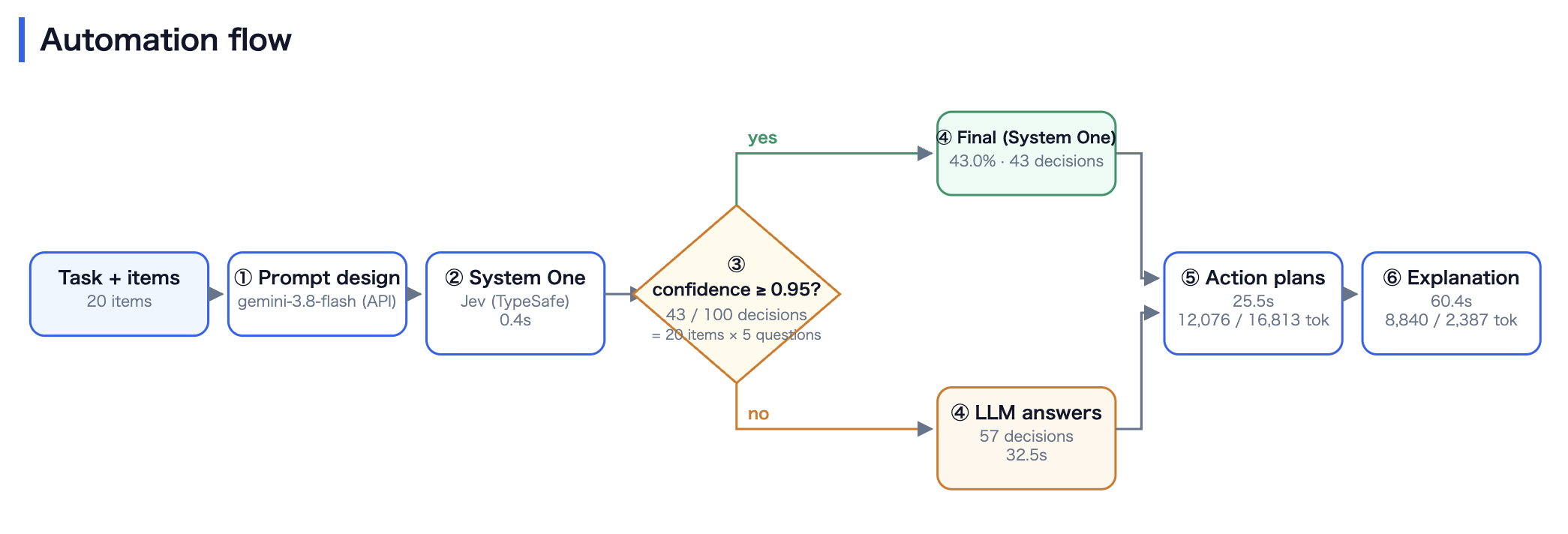
First, let me briefly explain how simulations are conducted in the application I developed. Fundamentally, various cases are fed into the system one model to make judgments and decisions, which then determine the downstream actions. However, for judgments where the system one model lacks confidence, the task is routed to an LLM (Large Language Model) to ensure a more careful decision.

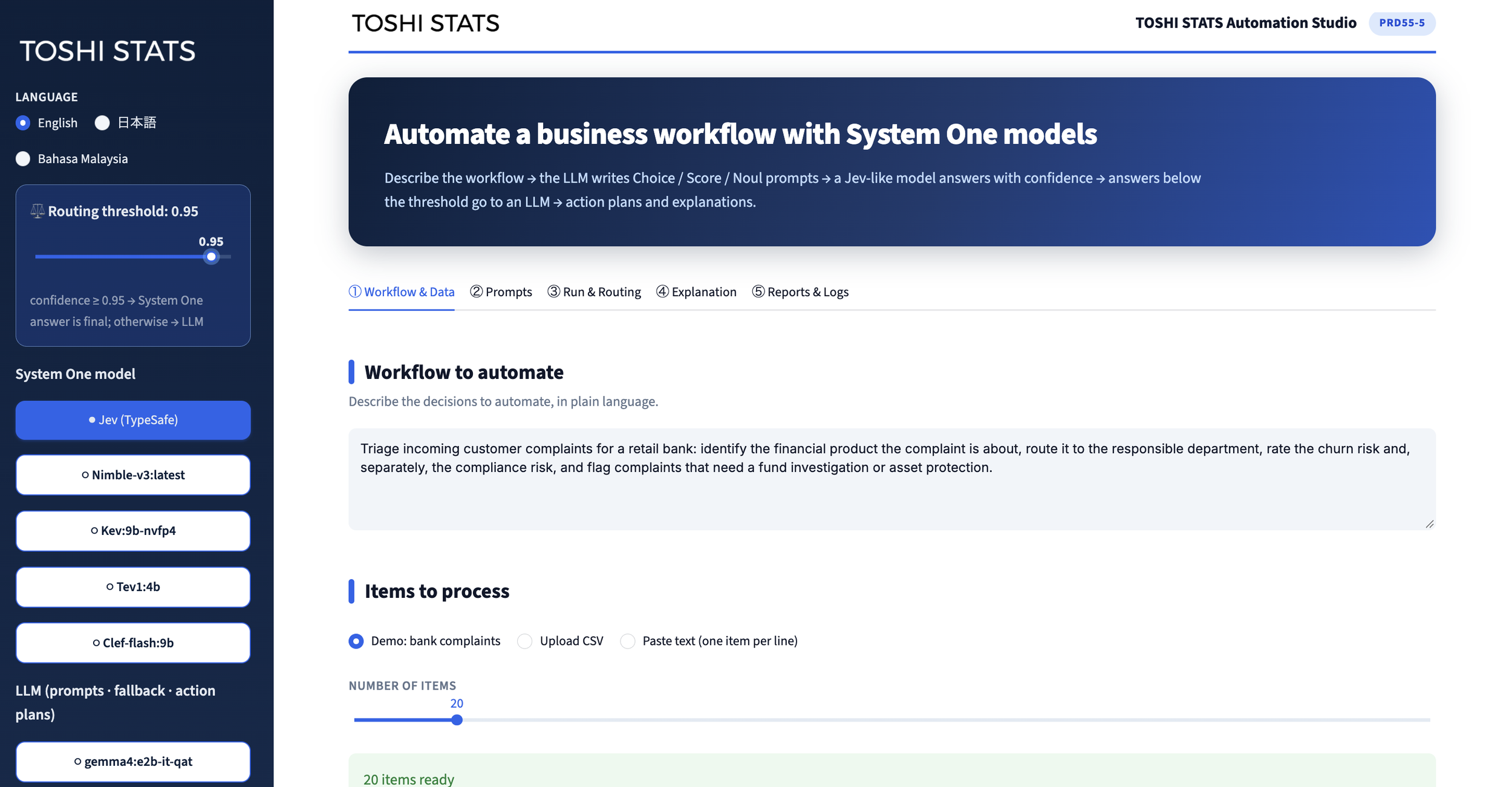
The screen below shows the application's GUI. On the left, there are selection buttons for the system one model and the LLM. When the confidence score of the system one model is low, the decision is delegated to the LLM, and you can adjust the threshold for this using a slider. For this simulation, I set it to 0.95. Furthermore, you can input the actual workflow to be automated in natural language into the box on the right. Here, the system one model which financial product a bank customer's complaint refers to, which department should handle it, and what subsequent actions to take. For this run, I set the number of cases to 20.

GUI of the Simulation App

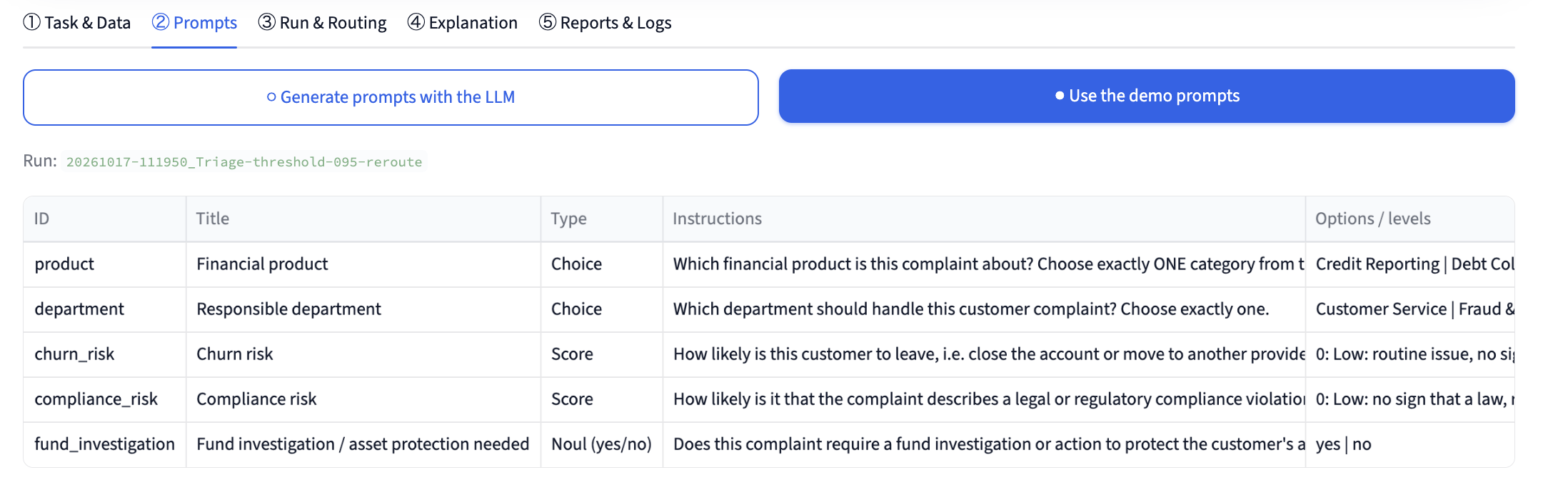
You can also input specific instructions, or "prompts," for the system one model to make judgments on. This time, I used a pre-prepared demo prompt. The system one model can make three types of judgments: "Choice" (selecting from a set of candidates), "Score" (rating on a scale, such as 1 to 10), and "Noul" [Boolean/Yes-or-No] (answering Yes or No). Here, I set it to respond to the five instructions illustrated below. Since there are 20 cases and 5 instructions per case, it will respond to a total of 100 instructions.

‍ Prompts for the system one model

The overall automation flow is shown in the chart below. Pay particular attention to the branching point after the initial system one model judgment: depending on whether the confidence score exceeds the threshold, the judgment is either adopted as-is or routed to the LLM for further evaluation.

‍ ‍Automation Flow


2. Verification of Simulation Accuracy

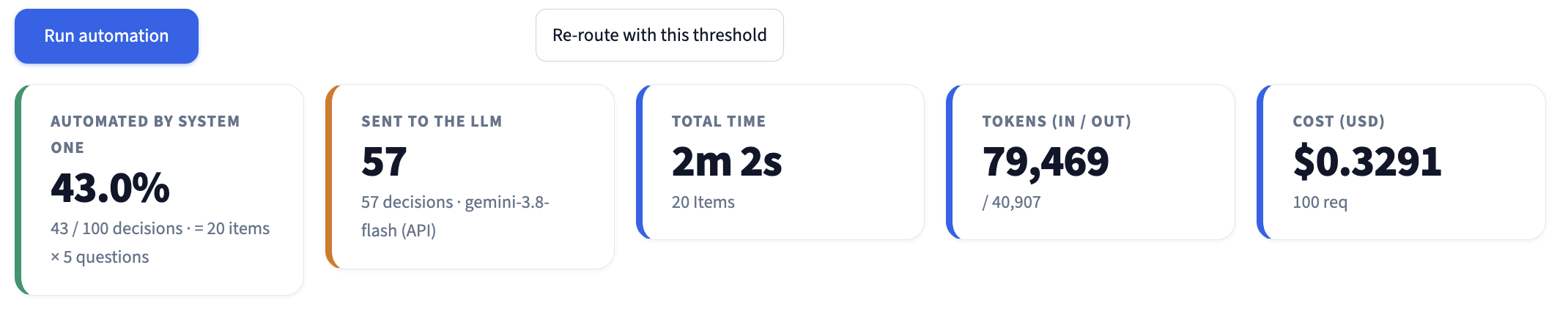
In this simulation, I used "Jev" for the system one model and "Gemini 3.8 flash" for the LLM. The results showed that 43% of the total tasks were resolved solely by the system one model, while the remaining 57% were routed to the LLM. The total computation time was about 2 minutes, and the cost was approximately $0.32 USD. Since both Jev and Gemini 3.8 flash are accessed via APIs, they are paid services.

‍ ‍Simulation Results

Additionally, one of the instructions in this test includes ground-truth labels indicating which financial product each customer complaint pertains to, allowing us to verify accuracy. As shown below, the accuracy when judged solely by the system one model was 85%. By routing samples that fell below the threshold to the LLM to improve performance, the overall accuracy rose to 90%. Furthermore, for cases where the system one model had a confidence score of 0.95 or higher, the accuracy reached 93.8%, demonstrating that the system one model's judgments are highly accurate when its confidence is high. On the other hand, the accuracy for cases below the threshold that were delegated to the LLM was 75%, indicating that these were inherently difficult cases to judge.

‍ Accuracy Verification

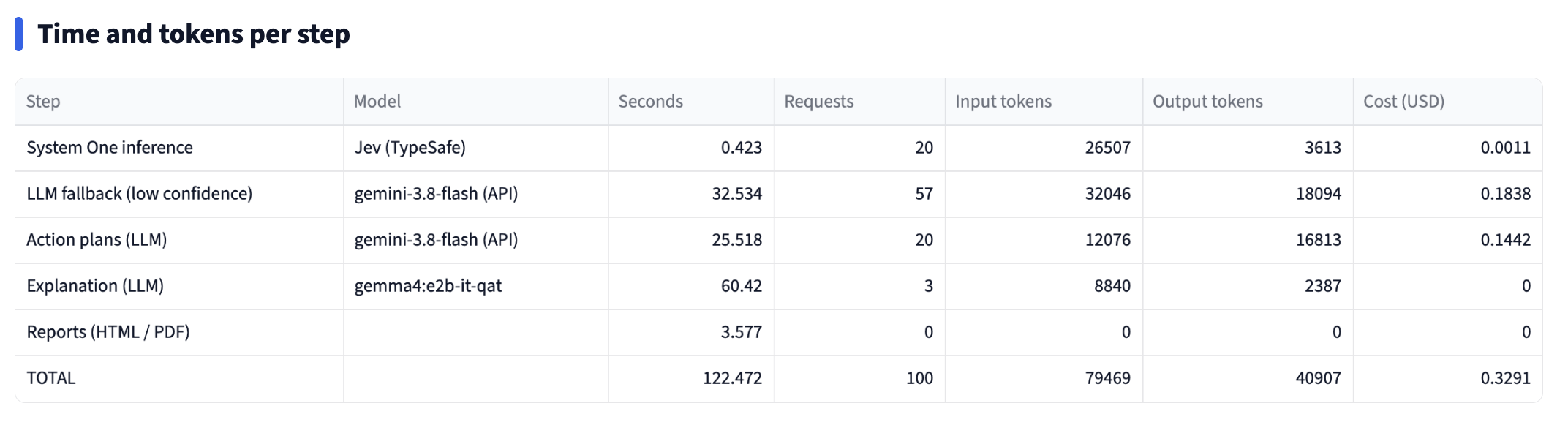
The details per step are provided here

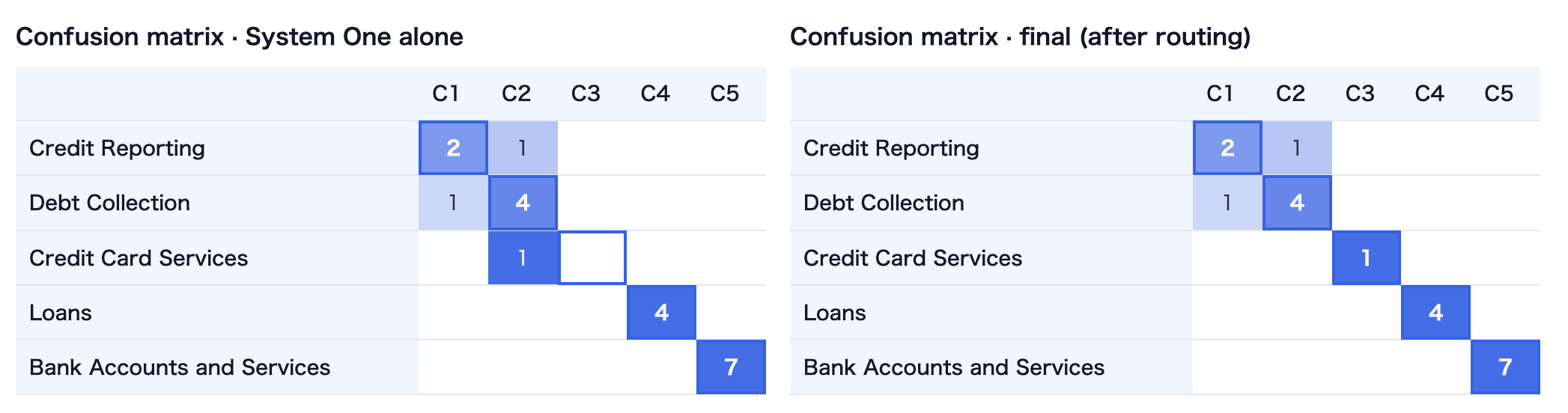
Now, let's look at the accuracy for each category using a confusion matrix. When judged solely by the system one model on the left, "Credit Card Services" could not be identified well. However, when routed to the LLM on the right, "Credit Card Services" was correctly identified. In a confusion matrix, the diagonal elements represent correct predictions, so you can clearly see that routing to the LLM improved the accuracy.

Confusion Matrix (Rows = True Categories, Columns = Predicted Categories. Diagonal elements represent correct answers)


3. Effectiveness of Workflow Automation

Ultimately, the effectiveness of workflow automation using a system one model depends on having a high proportion of high-confidence cases. The chart below shows the distribution of confidence scores for each instruction. Those in green, close to a confidence score of 1, can be considered highly accurate in their classifications. Among these, "Compliance Risk" has a distribution extending toward lower confidence scores, indicating that it was a difficult instruction for the system one model to judge. For such instructions, further refinements to the prompt will likely be needed to boost confidence scores.

‍ ‍Distribution of Confidence Scores


What did you think? In this test, I automated a workflow for processing bank customer complaints using Jev. Because this app is flexibly designed, you can easily swap the system one model for an open-weight model or adapt the workflow to other industries. At ToshiStats, I plan to explore and simulate various other use cases in the future. Stay tuned!


You can enjoy our video news “ToshiStats AI Weekly Review” from this link


1) Introducing System One Models & Jev,  Sep 15 2026, Diogo Almeida, founder, TypeSafe

Copyright © 2026 ToshiStats Co., Ltd. All right reserved.

Notice: This is for educational purpose only. ToshiStats Co., Ltd. and I do not accept any responsibility or liability for loss or damage occasioned to any person or property through using materials, instructions, methods, algorithms or ideas contained herein, or acting or refraining from acting as a result of such use. ToshiStats Co., Ltd. and I expressly disclaim all implied warranties, including merchantability or fitness for any particular purpose. There will be no duty on ToshiStats Co., Ltd. and me to correct any errors or defects in the report, the codes and the software.
Why "Jev-as-a-Judge" is a Game Changer for AI-Driven Automation

A "System One Model" known as "Jev" (1) is currently drawing significant attention, leading many to suggest that full-scale AI-driven automation is about to begin. In this article, taking the classification of bank customer complaints as our theme, we explore how applying "Jev" can make automation successful.


1.Measuring Prediction Accuracy

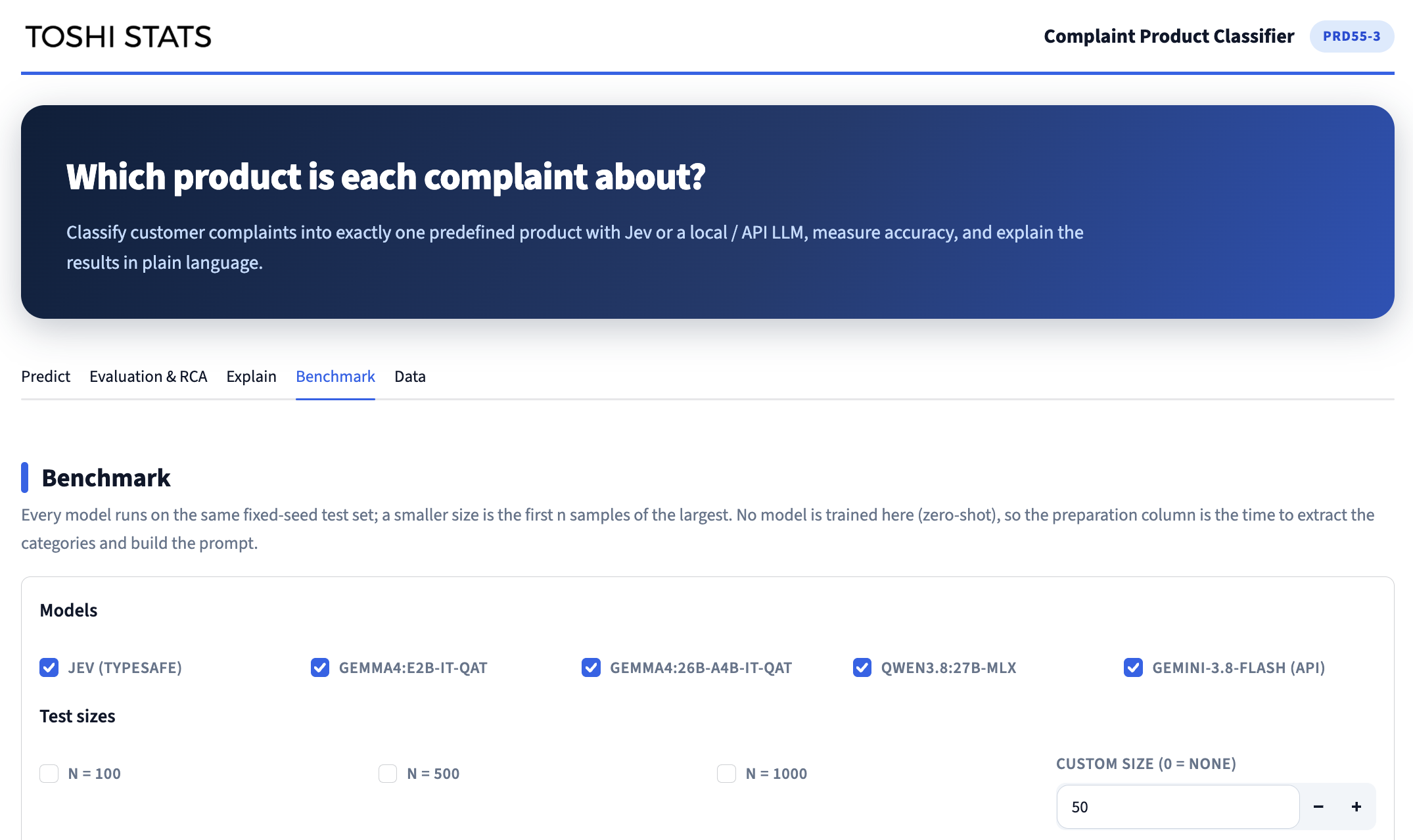
The dataset prepared for this evaluation consists of US bank customer complaints (2). Using "Jev," we tackled a classification task to predict which financial product each individual complaint pertains to. We built a prediction application as shown below and compared the accuracy across five AI models, including "Jev."

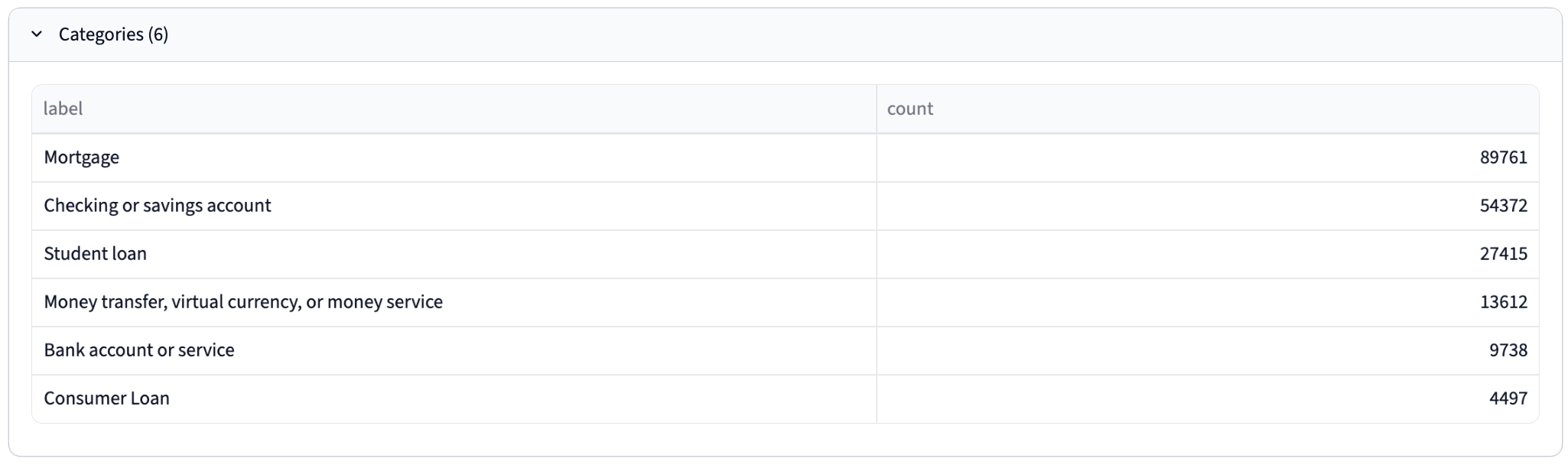
The task requires selecting one out of the following six financial products. A total of 50 samples were classified.

List of financial products to choose from

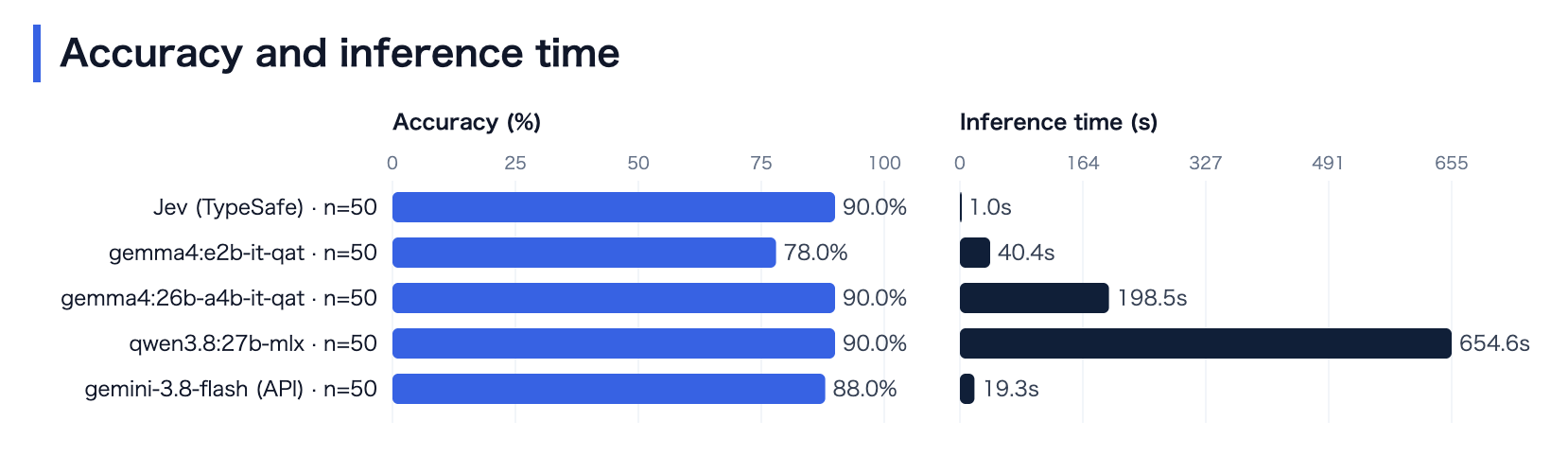
As shown below, "Jev" achieved an accuracy of 90%, standing toe-to-toe with the other models, while completely outperforming them in computational speed. The architecture—which returns only the prediction result without generating natural language text—is clearly proving effective here. Truly impressive.

Comparison with other AI models


2. Identifying Target Samples for Automation Using Prediction Confidence

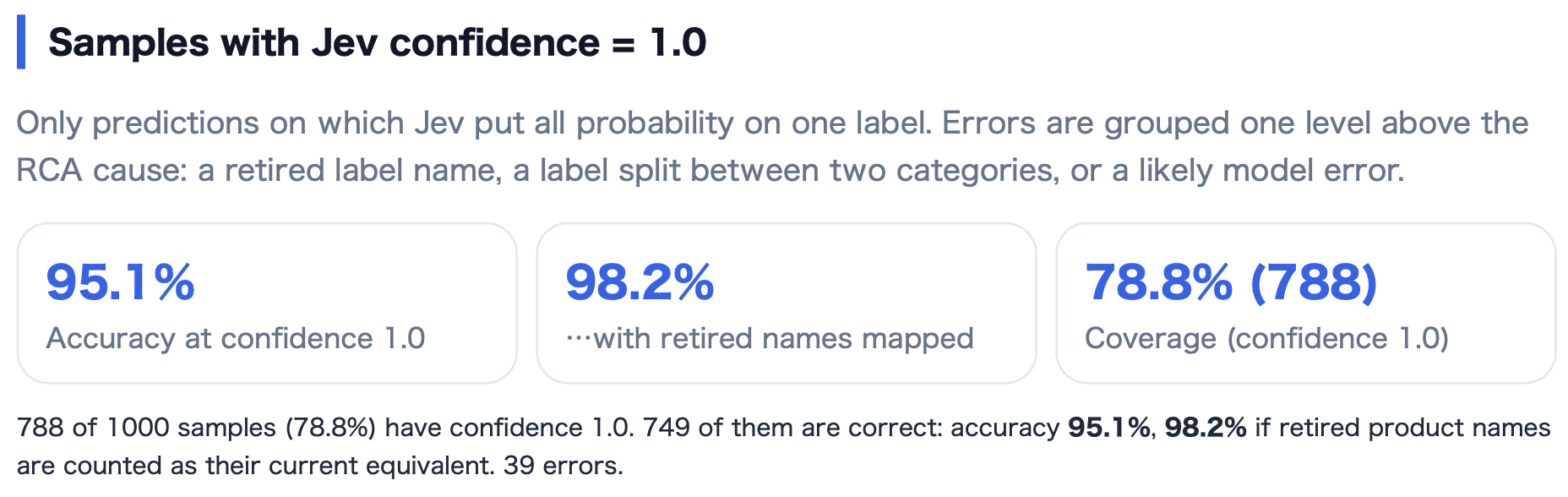
A major feature of "Jev" is its ability to simultaneously calculate a prediction confidence score. For predictions made with high certainty, the confidence score approaches 1. Therefore, we use this confidence metric to select only the samples about which "Jev" is genuinely confident as targets for automation. In this test, 1,000 samples were evaluated. We set only the samples with a confidence score of 1 as candidates for automation. The qualifying sample count was 788, yielding an accuracy of 95.1%. While this accuracy is already solid, mapping legacy category names that "Jev" did not select to their updated counterparts (as product names were updated over the course of the long-term data collection period) brings the accuracy up to 98.2%. In other words, the error rate for samples targeted for automation drops below 2%, making them ideal candidates for automated processing. A summary of the results is shown below

Analysis results for samples with confidence = 1


3.Implementation Workflow for AI-Driven Automation

We found that "Jev" can effectively identify which samples to automate. In this experiment, samples with a confidence score of 1 accounted for roughly 80% of the total, with an error rate of about 2%. By designing an operation that routes the remaining 20% to human review (Human-in-the-loop), an operational productivity boost of approximately 5x compared to pre-automation levels can be expected. Naturally, results depend on the incoming data, and several points require evaluation—such as whether a 2% error rate is acceptable. Nevertheless, as the precision of confidence scoring is expected to improve in the future, right now is the best time to consider automation powered by "Jev." The automation workflow is as follows

Automation workflow using "Jev"


What did you think? Entrusting decision-making tasks to Jev in place of humans is referred to as "Jev-as-a-Judge." As the accuracy of "Jev-as-a-Judge" continues to advance, business process automation driven by AI may take substantial leaps forward. There is plenty of reason for optimism.


Here at Toshi Stats, we plan to continue exploring various applications of "Jev-as-a-Judge." Stay tuned!


You can enjoy our video news “ToshiStats AI Weekly Review” from this link.

1) Introducing System One Models & Jev, August 15 2026, Diogo Almeida, founder, TypeSafe
2) Consumer Financial Protection Bureau

Copyright © 2026 ToshiStats Co., Ltd. All right reserved.

Notice: This is for educational purpose only. ToshiStats Co., Ltd. and I do not accept any responsibility or liability for loss or damage occasioned to any person or property through using materials, instructions, methods, algorithms or ideas contained herein, or acting or refraining from acting as a result of such use. ToshiStats Co., Ltd. and I expressly disclaim all implied warranties, including merchantability or fitness for any particular purpose. There will be no duty on ToshiStats Co., Ltd. and me to correct any errors or defects in the report, the codes and the software.